
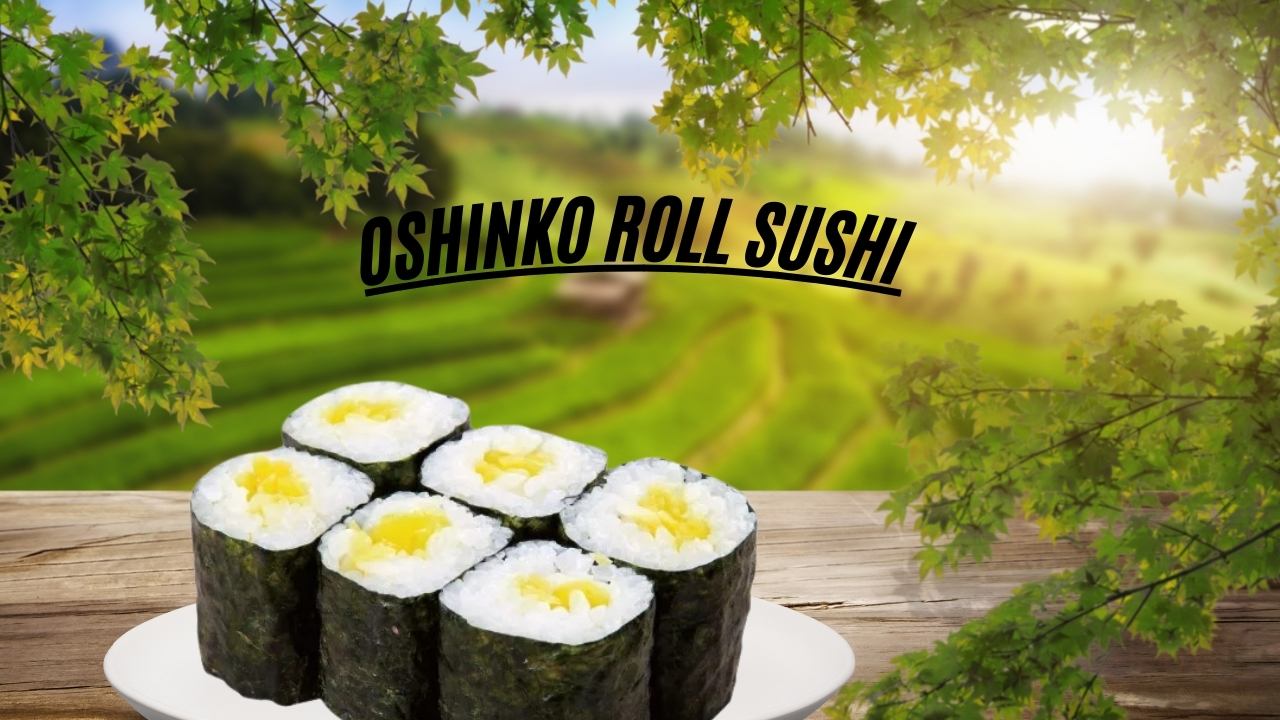
Have you ever spotted an Oshinko Roll on a sushi menu and wondered what it actually is? This eye-catching roll filled with vibrant yellow pickled radish is not just delicious but also a staple in Japanese vegetarian sushi. In this guide, we’ll explore everything you need to know about oshinko—from its taste and origin to how you can prepare oshinko maki sushi in your own kitchen.
Table of Contents
What Is Oshinko?
Oshinko refers to a category of Japanese pickled vegetables, with daikon radish being the most common. Daikon, a long white root vegetable similar in appearance to a large white carrot, is mildly flavored and widely used in Asian cuisine. When pickled, this white vegetable turns a bright yellow due to the addition of turmeric or, traditionally, yellow food coloring. This makes it visually striking inside sushi rolls.
In Korean cuisine, you’ll often find it labeled as takuan, and in general grocery stores, it might just be called pickled radish.
What Does It Taste Like?
Pickled daikon has a subtle, slightly sweet, tangy, and crisp flavor. It’s refreshing and juicy, with none of the sharp bite that some raw radishes have. This makes it ideal for sushi and light snacks.
Where Can You Buy Oshinko?
In the United States and many other Western countries, Asian grocery stores are the best places to find oshinko. It is usually sold in vacuum-sealed plastic packaging and kept in the refrigerated section. You might spot it near tofu or kimchi in some mainstream supermarkets, especially in areas with diverse culinary options.
If you can’t find it locally, making it at home is simple—and often healthier. Instead of using food dye, you can use turmeric to give it that iconic yellow hue.
Making Oshinko Maki at Home
Oshinko rolls are an excellent way to enjoy vegetarian sushi. They are easy to prepare and make a perfect light lunch or dinner. Traditional oshinko maki contains only pickled radish, but you can enhance the flavors by adding other veggies like cucumber, avocado, or shredded carrots.
Here’s how you can make homemade oshinko rolls in just a few minutes.
Ingredients
-
1 batch of sushi rice (prepared with rice vinegar, sugar, and salt)
-
1 piece of oshinko (pickled daikon radish)
-
1 pack of nori sheets (seaweed)
Instructions
-
Prepare the Oshinko
Slice the oshinko into long strips, about ½-inch wide, to match the length of one side of the nori sheet. -
Lay the Nori
Place a nori sheet shiny side down on a bamboo sushi mat or clean cutting board. -
Add the Rice
For single filling rolls, spread rice over two-thirds of the sheet. If using additional fillings, cover the entire sheet except for a 1-inch strip at the edge. -
Add Fillings
Lay the oshinko strip horizontally over the rice, near the edge farthest from the uncovered strip. Add optional vegetables like cucumber, shredded carrots, or avocado if desired. -
Roll the Sushi
Wet the bare strip of nori slightly with water. Tightly roll the sushi from the filled side toward the edge to form a cylinder. -
Slice the Roll
Use a very sharp knife to cut the roll into six or eight equal pieces. -
Serve & Enjoy
Serve immediately with soy sauce, wasabi, or pickled ginger. You can refrigerate leftovers in an airtight container for up to 24 hours.
Why Try Oshinko Rolls?
-
Vegan-friendly and ideal for plant-based diets
-
Low in calories yet satisfying and full of flavor
-
Quick to prepare—perfect for lunch boxes or light dinners
-
Fun to customize with your favorite vegetables
Nutrition Facts (Per Serving – 6 Pieces)
-
Calories: 160
-
Carbs: Moderate
-
Fat: Low
-
Fiber: Moderate
-
Protein: Low
Bonus Tips
-
You can use brown sushi rice for a healthier version.
-
Add sesame seeds for a little crunch and nutty flavor.
-
Drizzle with vegan spicy mayo or Yum Yum sauce for a restaurant-style upgrade.
Final Thoughts
Whether you’re a long-time sushi lover or just getting started with Japanese cuisine, Oshinko Rolls are a must-try. They’re bright, crunchy, and refreshingly simple. The next time you visit a sushi bar or feel like experimenting in the kitchen, remember this pickled daikon delight!
Ready to roll? Try this simple oshinko maki recipe today and impress your family or guests with your sushi-making skills!