
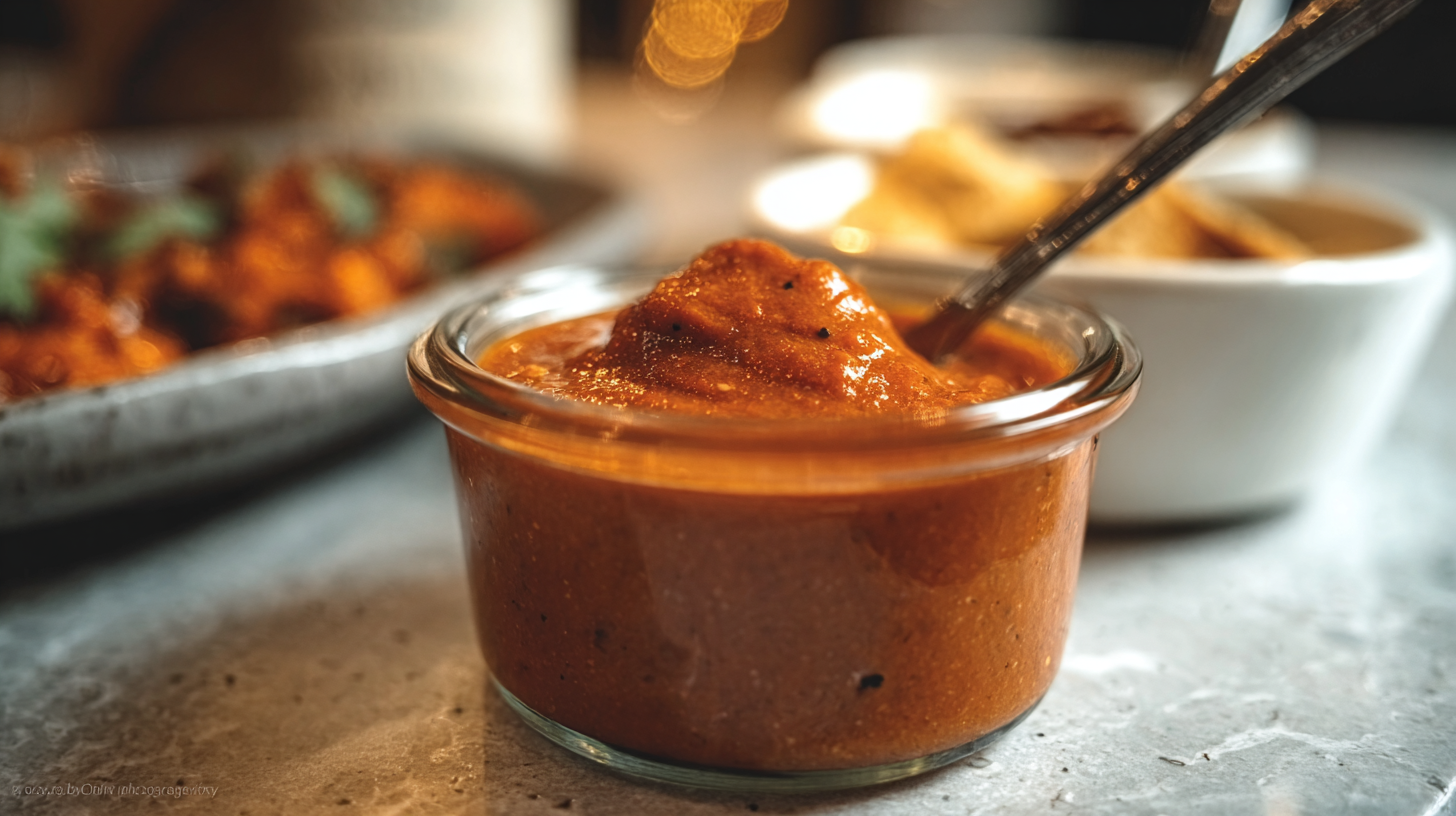
Chipotle sauce, with its smoky allure and vibrant kick, has found its way into the heart of culinary enthusiasts everywhere. But what makes this sauce stand out among the sea of condiments lining supermarket shelves? At its core, chipotle sauce is a blend of smoked jalapeño peppers, or chipotles, combined with a rich base that can include mayonnaise, sour cream, or even yogurt for a creamy touch. This unique combination captures the earthy, spicy essence of chipotles, elevating it with creamy texture to soothe and balance the heat.
For those curious about its origins, chipotle sauce is deeply rooted in Mexican cuisine, where the chipotle pepper itself has been used for centuries. The smoking process not only lends a distinct flavor but also acts as a preservation technique, giving the peppers a longer shelf life. Over time, this sauce has evolved, finding its place in various cuisines worldwide, admired for its ability to add depth and complexity to dishes.
Its versatility is another hallmark. Whether used as a marinade, a dressing, or a dip, chipotle sauce can transform a meal from ordinary to extraordinary. Its smoky, spicy profile pairs well with a range of flavors, making it a favorite among both professional chefs and home cooks alike.
Table of Contents
How to Make Chipotle Sauce: A Simple Recipe Guide
Creating your own chipotle sauce at home is both satisfying and straightforward. Here is a simple guide to help you craft this delicious condiment.
Ingredients
- 1 cup mayonnaise: For a creamy base.
- 2 tablespoons adobo sauce: Adds bold, smoky flavor.
- 2 chipotle peppers in adobo: Provides heat and intensity.
- 1 clove garlic: Finely minced for a hint of sharpness.
- 1 tablespoon lime juice: Adds freshness and acidity.
- Salt and pepper to taste: Enhances overall flavor.
Instructions
- Prepare the Peppers: Start by finely chopping the chipotle peppers. Remove any seeds if you prefer a milder sauce.
- Blend Ingredients: In a blender or food processor, combine the mayonnaise, adobo sauce, chopped chipotle peppers, garlic, and lime juice.
- Season: Taste the mixture and add salt and pepper to your liking.
- Blend Until Smooth: Process the mixture until it is smooth and creamy.
- Store: Pour the sauce into a jar or airtight container. Refrigerate for at least 30 minutes before serving to allow the flavors to meld.
Serving Suggestions
- Use as a dressing for tacos or salads.
- Serve as a dip for chips or vegetable sticks.
- Spread on sandwiches or burgers for an added kick.
Enjoy the rich, smoky flavor of your homemade chipotle sauce!
Essential Chipotle Sauce Ingredients You Need
Crafting the perfect chipotle sauce begins with choosing the right ingredients to achieve that distinguished smoky and spicy flavor. Here’s a list of the essential components you will need, along with steps to ensure each element complements the next:
- Chipotle Peppers in Adobo Sauce: These are the star of the show, providing both heat and smokiness. You can find them canned in most supermarkets. Remember, the intensity of spice can influence the overall flavor, so adjust the number according to your heat tolerance.
- Creamy Base: This includes options like mayonnaise, sour cream, or yogurt. The base you choose will dictate the sauce’s creaminess and texture. It’s crucial for balancing the heat of the peppers.
- Garlic: Minced or finely pressed, garlic adds a rich, aromatic depth to the sauce. Usually, a clove or two suffice, but adjust based on your personal taste.
- Lime Juice: A splash of freshly squeezed lime juice provides necessary acidity and a fresh, tangy contrast to the smoky peppers.
- Salt: A pinch of salt enhances all the flavors, bringing the sauce components together harmoniously.

Steps to Prepare Your Chipotle Sauce:
- Finely chop the chipotle peppers and blend them with the adobo sauce.
- In a mixing bowl, combine the chopped peppers with your chosen creamy base, stirring until smooth.
- Add the minced garlic and mix thoroughly.
- Squeeze lime juice into the mixture and stir.
- Season with salt to taste, adjusting according to preference.
Following these steps ensures that every ingredient plays its part in achieving a well-rounded and flavorful chipotle sauce ready to enhance any dish.
Step-by-Step Instructions for Homemade Chipotle Sauce
Gather Your Ingredients
- Chipotle peppers in adobo sauce
- Creamy base (mayonnaise, sour cream, or Greek yogurt)
- Garlic cloves
- Fresh lime juice
- Salt
Prepare the Peppers
- Step 1: Open the can of chipotle peppers in adobo sauce.
- Step 2: Remove the peppers from the can and finely chop them. Adjust the amount based on your spice preference.
Mix the Sauce Base
- Step 1: In a mixing bowl, combine your creamy base (about 1 cup) with the chopped chipotle peppers.
- Step 2: Stir until the mixture achieves a smooth consistency.
Add Aromatics
- Step 1: Mince 1 or 2 garlic cloves, depending on your taste preference.
- Step 2: Add the minced garlic to the mixture and stir well.
Incorporate Lime Juice
- Step 1: Squeeze the juice of one lime into the sauce.
- Step 2: Mix thoroughly to ensure the lime juice is evenly distributed.
Season the Sauce
- Step 1: Add a pinch of salt to taste.
- Step 2: Stir once more to ensure all ingredients are well-blended.
Chill and Enjoy
- Step 1: Place the sauce in the refrigerator for at least 30 minutes to allow flavors to meld together.
- Step 2: Serve as desired, and enhance your favorite dishes with a smoky, spicy twist!
Health Benefits of Chipotle Sauce: A Step-by-Step Breakdown
- Boosts Metabolism: The capsaicin present in chipotle peppers is known to enhance metabolism by increasing body heat production, which can help in burning calories more efficiently.
- Rich in Antioxidants: Chipotle peppers are packed with antioxidants, which help combat oxidative stress in the body. This can contribute to reducing inflammation and lowering the risk of chronic diseases.
- Supports Digestion: The inclusion of garlic in chipotle sauce can aid in digestive health. Garlic stimulates the production of digestive enzymes and helps maintain a healthy gut microbiota.
- Enhances Immunity: Garlic and lime juice are known for their immune-boosting properties. The vitamin C in lime juice is crucial for immune function, while garlic contains compounds like allicin, which has antimicrobial effects.
- Provides Essential Nutrients: Chipotle sauce, depending on its base, can deliver essential nutrients such as calcium or vitamin B12 (from yogurt or mayonnaise). These nutrients are necessary for bone health and energy production.
- Promotes Heart Health: The monounsaturated fats present in mayonnaise-based chipotle sauce can help maintain good cholesterol levels, promoting heart health when consumed in moderation.
Incorporating chipotle sauce into your meals not only elevates flavor but also brings along these health benefits, allowing you to savor each bite while supporting your well-being.
Nutritional Information: Calories in Chipotle Sauce
Here’s a general estimation of the caloric content for homemade chipotle sauce, per serving, depending on the base used:
|
Component |
Calories Per Serving (1 tbsp) |
|---|---|
|
Mayonnaise (full-fat) |
94 |
|
Sour Cream |
30 |
|
Greek Yogurt (plain) |
12 |
|
Chipotle peppers |
5 |
|
Lime Juice |
1 |
|
Garlic |
5 |
The total calories of your chipotle sauce will vary depending on the proportions of each ingredient and the exact type of creamy base used. Adjust your portions based on dietary needs and preferences to enjoy a delicious yet mindful condiment.
Is Chipotle Sauce Spicy? A Guide to Its Heat Level
For those concerned about spice, chipotle sauce strikes a pleasing balance. The heat level is generally mild to medium, depending on the amount of chipotle peppers used. These peppers, while packing a punch, are not as fiery as some of their chili counterparts.
The creamy base plays a crucial role in tempering the spice, making it accessible to a wider audience. However, the beauty of making chipotle sauce at home lies in its adaptability. You have full control over the spice level, allowing you to tailor it to your preference.
For those who love a little extra heat, adding more chipotle peppers or a dash of hot sauce can elevate the spice level. Conversely, reducing the number of peppers or increasing the creamy base can produce a milder sauce.

Top Uses for Chipotle Sauce in Cooking and Beyond
- As a Dip: One of the simplest yet tastiest ways to enjoy chipotle sauce is as a dip. Pair it with tortilla chips, vegetables, or even chicken wings for an instant flavor boost.
- Topping for Tacos: Enhance your taco experience by drizzling chipotle sauce over the filling. Whether it’s beef, chicken, or vegetarian tacos, the sauce adds a smoky and spicy kick that elevates the dish.
- Burger or Sandwich Condiment: Replace your usual condiments with chipotle sauce for a gourmet twist. Spread it on buns or ciabatta for burgers and sandwiches to introduce a vibrant layer of flavor.
- Salad Dressing: Mix chipotle sauce with a bit of olive oil and lime juice to create a unique salad dressing. It works particularly well with salads featuring grilled vegetables or proteins.
- Marinade for Meats: Use chipotle sauce as a marinade base for meats like chicken, pork, or beef. The sauce imparts a rich, smoky taste, enhancing the flavors as the meat grills or roasts.
- Pasta Sauce Enhancer: Stir a spoonful of chipotle sauce into your pasta sauce for an unexpected twist. It adds depth and a hint of spice, making any pasta dish more exciting.
- Eggs and Breakfast Dishes: Drizzle chipotle sauce over scrambled eggs, omelets, or breakfast burritos. The sauce pairs beautifully with the richness of eggs, bringing a new dimension to your morning routine.
- Flavoring Soups and Stews: Add a dollop of chipotle sauce to soups or stews for added smokiness and depth. It complements hearty bean-based soups, chicken soups, or stews.
- Creative Uses Beyond Cooking: Chipotle sauce can extend beyond culinary uses. Consider incorporating it into DIY gift jars or using it as a creative element in themed cooking classes or demonstrations.
Why Chipotle Sauce Has Become So Popular
Chipotle sauce’s rise in popularity can be attributed to several factors, chief among them its unique flavor profile. The combination of smoky, spicy, and creamy elements appeals to a broad audience, making it a favorite in diverse dishes.
Another reason for its widespread appeal is the growing popularity of Mexican cuisine worldwide. Chipotle sauce, with its authentic roots, serves as an accessible introduction to these vibrant flavors for many people.
Furthermore, the versatility of chipotle sauce makes it an attractive option for chefs and home cooks alike. Its ability to enhance everything from tacos to burgers to salads ensures it remains a staple in kitchens around the globe.
Ways to Use Chipotle Sauce in Your Favorite Recipes
Add a Zesty Kick to Tacos
- Prepare your choice of filling, such as seasoned ground beef, chicken, or veggies.
- Heat your tortillas on a skillet or grill for a few seconds on each side until warm and pliable.
- Spread a generous spoonful of chipotle sauce on each tortilla to form the base layer.
- Add the filling and top with chopped onions, cilantro, and lime juice.
- Fold and enjoy your tacos with an extra touch of smoky spice.
Enhance Burgers with a Smoky Flavor
- Grill your burger patties until they reach your desired level of doneness.
- Toast the buns lightly over the grill for that perfect crunch.
- Spread chipotle sauce over the inside of both the top and bottom halves of the bun.
- Assemble your burger by layering lettuce, tomato, and onion over the patty.
- Serve with a side of your favorite fries or salad.
Spice Up Your Salads
- Wash and chop your favorite salad greens, such as romaine or spinach.
- Add a mix of colorful vegetables like cherry tomatoes, cucumbers, and bell peppers.
- Drizzle chipotle sauce over the salad, serving as a flavorful dressing.
- Toss gently to coat all the ingredients evenly.
- Top with grilled chicken or chickpeas for added protein, if desired.
Create Flavorful Pasta Dishes
- Cook your preferred pasta, such as penne or rotini, according to package instructions.
- In a saucepan, mix a few tablespoons of chipotle sauce into your cream or tomato-based sauce.
- Heat the sauce over medium heat, stirring until well combined and heated through.
- Combine the sauce with the drained pasta, ensuring even coverage.
- Serve with grated Parmesan and fresh basil for a delicious finish.
How Chipotle Sauce Compares to Other Sauces: A Table
When considering chipotle sauce in relation to other popular sauces, several distinct characteristics come into play. Here’s a comparison of chipotle sauce with some well-known counterparts.
|
Sauce |
Flavor Profile |
Spice Level |
Common Uses |
|---|---|---|---|
|
Chipotle Sauce |
Smoky, spicy, creamy |
Mild to medium |
Marinades, dressings, spreads, dips |
|
Sriracha |
Spicy, tangy, garlicky |
Medium to hot |
Condiment, topping, ingredient in sauces |
|
BBQ Sauce |
Sweet, tangy, smoky |
Mild to medium |
Glazes, topping for meats, flavor enhancer |
|
Tzatziki |
Creamy, tangy, refreshing |
Mild |
Dipping sauce, dressing, sandwich spread |
|
Salsa |
Fresh, tangy, spicy |
Mild to hot |
Dip for chips, topping for tacos and nachos |
|
Ketchup |
Sweet, tangy |
Mild |
Condiment for fries, burgers, and sandwiches |
|
Ranch Dressing |
Creamy, herby, savory |
Mild |
Dressing, dip for vegetables and wings |
This table provides a snapshot of how chipotle sauce stands out with its unique combination of smoky and spicy notes, balanced by its creamy base. In contrast to the other sauces listed, chipotle sauce’s versatility shines, making it a compelling choice across a variety of culinary applications.
Best Practices for Storing Chipotle Sauce at Home
Proper storage of chipotle sauce is essential to maintain its flavor and extend its shelf life. Follow these steps to ensure your chipotle sauce stays fresh:
- Use an Airtight Container: Transfer chipotle sauce to an airtight container. This will help prevent oxidation and maintain its rich flavor. Glass jars or BPA-free plastic containers are good options.
- Refrigerate After Opening: Always refrigerate chipotle sauce after opening. The cool temperature slows down bacterial growth and keeps the sauce safe to consume for a longer period.
- Label with Date: When storing homemade chipotle sauce, label the container with the preparation date. This helps you keep track of freshness and ensure it is consumed before any deterioration in quality.
- Keep Away from Light and Heat: Store the sauce in a cool, dark place in the refrigerator to prevent exposure to light and heat, which can degrade the sauce’s flavor and texture.
- Check for Changes: Before each use, check for any unusual changes in color, texture, or smell. If any spoilage signs are detected, it’s best to discard the sauce to ensure safety.
By following these storage practices, you can enjoy the vibrant flavors and versatility of chipotle sauce in your meals for weeks to come.
Conclusion
The allure of chipotle sauce lies in its unique ability to enhance and elevate dishes with its complex blend of smoky, spicy, and creamy notes. Whether you’re a seasoned chef or a home cook, incorporating this versatile condiment into your recipes can transform ordinary meals into extraordinary culinary experiences.
From its rich history and flavor profile to the simple steps for making it at home, chipotle sauce offers endless opportunities for exploration and creativity in the kitchen. With its growing popularity and wide-ranging applications, it’s no wonder that chipotle sauce has become a favorite among food enthusiasts around the world.
For those seeking to discover the full potential of chipotle sauce, consider experimenting with different recipes and techniques to find your perfect balance of flavors. And remember, the joy of cooking lies not only in the destination but in the delicious, smoky journeys we take along the way.
FAQs
1. What is chipotle sauce made of?
Chipotle sauce typically contains a blend of chipotle peppers, which are smoked and dried jalapeños, along with other ingredients such as mayonnaise or sour cream, lime juice, garlic, and spices. The exact ingredients can vary depending on the recipe or brand.
2. Is chipotle sauce very spicy?
The spiciness of chipotle sauce can vary widely. While chipotle peppers do have a moderate level of heat, the creaminess of the sauce—often from mayonnaise or sour cream—tends to mellow out the spice. For those sensitive to heat, it’s advisable to start with a small amount and adjust to taste.
3. Can I make chipotle sauce vegan?
Yes, you can create a vegan version of chipotle sauce by using vegan mayonnaise or plant-based yogurt as the base. You can also add nutritional yeast or other flavorings to replicate the richness typically provided by traditional dairy-based ingredients.
4. How long does homemade chipotle sauce last?
When stored in an airtight container in the refrigerator, homemade chipotle sauce typically lasts up to two weeks. However, it’s always important to check for any signs of spoilage, such as changes in color or smell, before use.
5. Can I freeze chipotle sauce?
Yes, chipotle sauce can be frozen. Portion the sauce into an ice cube tray and freeze until solid. Then, transfer the cubes into a ziplock freezer bag. This method allows you to thaw only the amount you need, preserving the rest for future use.