
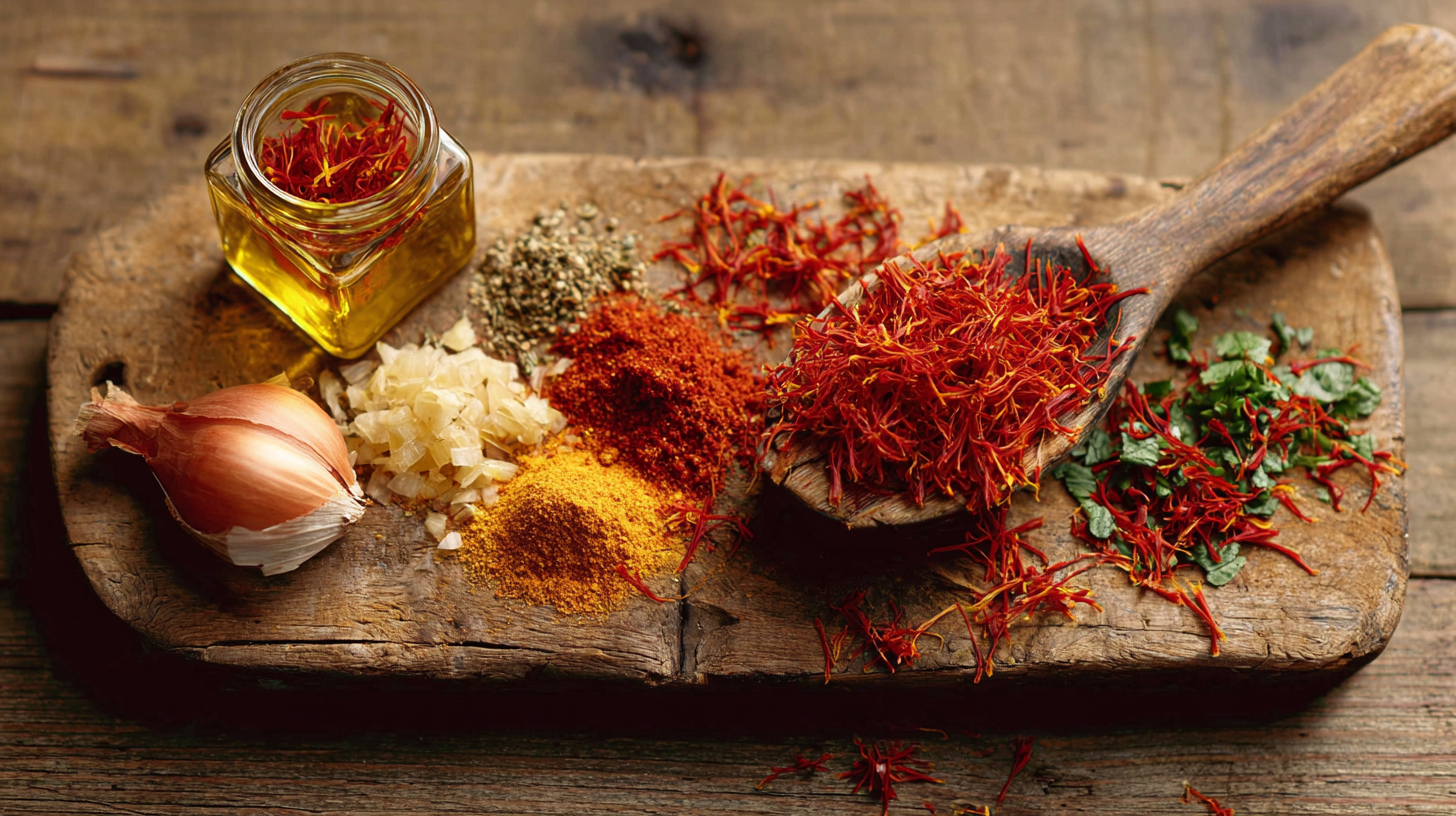
Saffron—the golden thread of the culinary world—has dazzled palates and traditions for centuries. Known as the “Red Gold”, it’s cherished across Persia, India, Spain, and Morocco for both its intoxicating aroma and medicinal prowess.
But what happens when this delicate floral note meets heat? Spicy Saffron is born—a luxurious fusion of floral warmth and fiery zest. Whether infused in rice, stirred into creamy sauces, or swirled through broths, Spicy Saffron is an explosion of flavor and nutrition.
In this guide, you’ll discover:
-
Its cultural heritage and healing powers
-
A precise nutritional breakdown
-
Step-by-step techniques for cooking Spicy Saffron dishes
-
Low-calorie adaptations
-
Expert FAQs for every spice lover
Let’s turn up the heat on tradition!
Table of Contents
Ingredient & Calorie Table
| Ingredient Item | Exact Quantity (metric + cups/tsp) | Calories (per listed quantity) |
|---|---|---|
| Saffron threads | 1 gram (approx. 1/2 tsp) | 3 kcal |
| Extra virgin olive oil | 2 tbsp (30 ml) | 238 kcal |
| Garlic (minced) | 3 cloves (9 grams) | 13 kcal |
| Fresh ginger (grated) | 1 tbsp (15 grams) | 12 kcal |
| Red chili flakes | 1 tsp | 6 kcal |
| Turmeric powder | 1/2 tsp | 4 kcal |
| Onion (chopped) | 1 medium (110 grams) | 44 kcal |
| Tomato (pureed) | 1 medium (120 grams) | 22 kcal |
| Vegetable stock | 2 cups (480 ml) | 20 kcal |
| Sea salt | 1 tsp | 0 kcal |
| Black pepper | 1/4 tsp | 1 kcal |
| Lemon juice | 1 tbsp (15 ml) | 4 kcal |
| Fresh coriander (garnish) | 2 tbsp (8 grams) | 1 kcal |
🔢 Total Calories per Recipe (serves 4): 368 kcal
Cultural and Health Significance
The Ancient Origins of Saffron
Used as far back as 3,000 years ago in Persia, saffron was a symbol of nobility, healing, and fertility. Indian Ayurvedic medicine and Chinese herbal traditions revere saffron as an anti-inflammatory and antidepressant remedy.
Adding Spice to the Tradition
Pairing saffron with chili and ginger introduces not just bold flavor, but also thermogenic benefits—increasing metabolism and aiding digestion.
“Spicy Saffron” isn’t just a flavor—it’s an experience of warmth, depth, and a hint of mystery with every spoonful.
Nutritional Science Behind Spicy Saffron
Let’s break down the powerful bioactive compounds in this dish:
Saffron
-
Contains crocin and safranal, antioxidants that boost mood, enhance memory, and reduce oxidative stress.
-
Clinical trials link saffron to reduced PMS, anxiety, and Alzheimer’s symptoms.
Red Chili Flakes
-
Rich in capsaicin, which:
-
Reduces inflammation
-
Aids in weight loss
-
Increases endorphin production
-
Garlic & Ginger
-
Natural anti-microbials
-
Support cardiovascular health
-
Lower LDL cholesterol and blood pressure
Onion & Tomato
-
Deliver quercetin, lycopene, and flavonoids
-
Support immunity and skin health
Step-by-Step: Cooking Spicy Saffron With Pro Techniques
Whether you’re making a soup, rice, or dip base, this Spicy Saffron infusion forms the heart of countless dishes.
🥄 Ingredients
(As listed in the table above)
Method
-
Infuse the saffron
-
Soak 1/2 tsp saffron in 2 tbsp warm water for 10 minutes.
-
This activates its deep golden color and aroma.
-
-
Sauté aromatics
-
Heat 2 tbsp olive oil in a non-stick pan.
-
Add onions, sauté until golden.
-
Stir in garlic and ginger, cook for 1 minute until fragrant.
-
-
Add spices
-
Lower heat and add red chili flakes, turmeric, black pepper.
-
Stir for 30 seconds to bloom the spices.
-
-
Incorporate tomatoes
-
Pour in the pureed tomato, cook for 5–7 minutes until oil separates.
-
-
Add saffron infusion
-
Gently stir in the saffron water.
-
Let simmer to deepen the color and flavor.
-
-
Deglaze with stock
-
Add vegetable stock, bring to a gentle boil.
-
Simmer on low for 10 minutes.
-
-
Balance and finish
-
Stir in lemon juice and salt.
-
Garnish with chopped coriander just before serving.
-
Pro tip: Use a ceramic or non-reactive pan to preserve saffron’s delicate flavors.
5 Calorie Optimization Tips
Want to make Spicy Saffron even healthier? Here’s how:
-
Swap olive oil for spray oil
– Cuts over 200 calories without sacrificing flavor. -
Reduce saffron quantity to 0.5g
– Retains aroma, halves calorie from saffron itself (though minimal). -
Use low-sodium stock or water base
– Controls salt intake while keeping it gut-friendly. -
Roast aromatics instead of sautéing
– No oil needed. Enhances flavor via dry heat caramelization. -
Double the tomato, reduce oil
– Adds bulk, fiber, and brightness with fewer calories.
FAQ: Storage, Substitutions & Adaptations
Can I store Spicy Saffron sauce?
Yes. Refrigerate in an airtight glass jar for up to 5 days or freeze for 3 months.
-
For reheating: Warm gently on stove. Avoid microwaving (can dull saffron aroma).
What can I substitute saffron with?
Though nothing truly replicates saffron, try:
-
Turmeric + paprika (1:1) for color and mild warmth
-
Safflower petals as a budget floral alternative (no flavor, but similar appearance)
Is it vegan and gluten-free?
✅ Yes! Naturally vegan, gluten-free, and dairy-free.
For keto: Skip tomato and use cream + chili oil instead.
Can I use this as a base for other dishes?
Absolutely! Try it as:
-
A rice flavoring for paella or biryani
-
A sauce for grilled fish or tofu
-
A soup base with lentils or chickpeas
Sensory Experience: What It Tastes Like
Imagine this:
-
The first bite: smooth and earthy, the saffron lingers like honeyed perfume.
-
Mid-palate: ginger and chili ignite warmth that travels down your throat.
-
Aftertaste: A citrusy brightness from lemon and coriander, cleansing yet bold.
It’s the perfect dish when you want something warming, elegant, and deeply nourishing.
Final Thoughts
Spicy Saffron is more than a gourmet delight—it’s a fusion of ancient wisdom and modern wellness. With simple ingredients and powerful antioxidants, you get:
-
An unforgettable flavor journey
-
A heart-healthy, metabolism-boosting profile
-
A low-calorie, plant-based powerhouse
Whether you’re preparing a festive meal or seeking an anti-inflammatory boost, Spicy Saffron belongs in your recipe rotation.