Table of Contents
Introduction: A Bowl of Culture and Heat
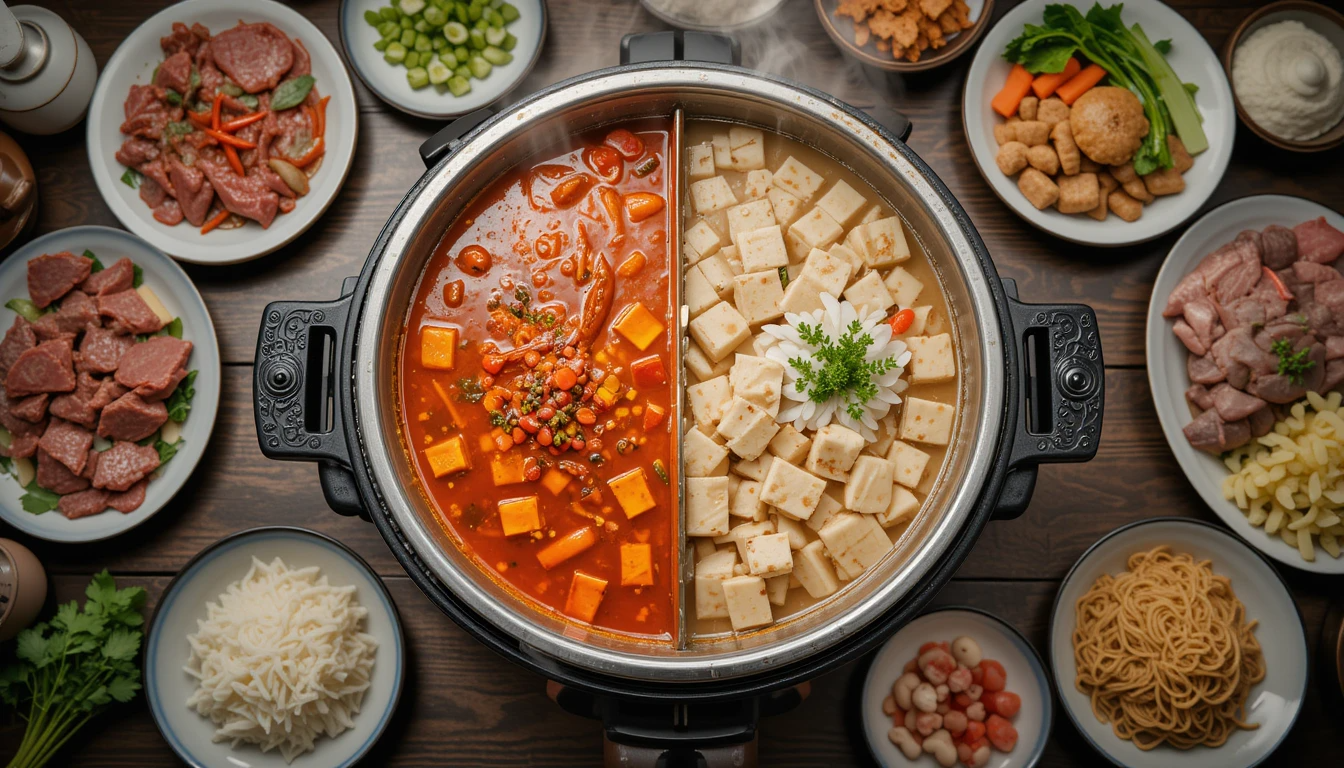
The Yin Tang Spicy Hotpot is more than just a dish—it’s an experience. Hailing from Sichuan province in China, this fiery meal represents unity, warmth, and social connection. Friends and families gather around the bubbling pot, sharing laughs while dipping a variety of meats, vegetables, and noodles into the spicy, aromatic broth.
Not only does it ignite your taste buds, but Yin Tang hotpot also delivers a surprising array of health benefits. Its spice-rich profile boosts metabolism, while fresh vegetables and lean proteins provide essential nutrients. When made thoughtfully, it’s a balance of indulgence and nutrition—perfect for modern food lovers who want flavor without compromise.
Ingredient Table: Quantities + Calories
| Ingredient Item | Exact Quantity (metric + cups/tsp) | Calories (approx.) |
|---|---|---|
| Beef slices (lean, ribeye) | 200g (7 oz) | 430 kcal |
| Shrimp (peeled) | 100g (3.5 oz) | 100 kcal |
| Napa cabbage | 200g (2 cups chopped) | 30 kcal |
| Spinach | 100g (1.5 cups) | 23 kcal |
| Enoki mushrooms | 150g (1.5 cups) | 37 kcal |
| Tofu cubes (firm) | 200g (1 cup) | 190 kcal |
| Glass noodles (mung bean) | 100g dry (1 cup cooked) | 190 kcal |
| Hotpot base (Yin Tang spicy mix) | 2 tbsp | 180 kcal |
| Chili oil | 1 tbsp | 120 kcal |
| Garlic (minced) | 1 tbsp (3 cloves) | 13 kcal |
| Ginger (sliced) | 1 tbsp | 5 kcal |
| Scallions | 2 tbsp chopped | 4 kcal |
| Sichuan peppercorns | 1 tsp | 6 kcal |
| Star anise | 1 whole | 2 kcal |
| Soy sauce (low sodium) | 2 tbsp | 20 kcal |
| Rice vinegar | 1 tbsp | 3 kcal |
| Sesame paste (for dipping) | 2 tbsp | 180 kcal |
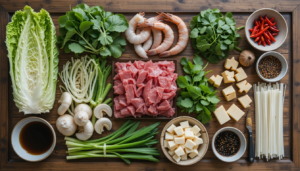
🔢 Total Estimated Calories (per full portion): 1,533 kcal
Serves 2-3 people (per person approx. 511 kcal)
Nutritional Breakdown: Why It’s More Than Just Heat
Let’s decode the goodness in every bite of Yin Tang spicy hotpot:
Vegetables:
-
Napa cabbage & spinach: Rich in Vitamin K, folate, fiber, and antioxidants.
-
Mushrooms: Natural source of B vitamins and umami flavor, low-calorie filler.
Protein Sources:
-
Beef: Provides iron, B12, and high-quality protein.
-
Shrimp: High in selenium, iodine, and lean protein.
-
Tofu: Plant-based source of calcium, iron, and essential amino acids.
Spices & Broth:
-
Chili oil, Sichuan peppercorns, garlic: Stimulate digestion and circulation, known for anti-inflammatory properties.
-
Ginger & star anise: Boost immunity and gut health.
Carbs:
-
Glass noodles are gluten-free and lighter than wheat-based noodles, offering a low glycemic index option for sustained energy.
Step-by-Step Cooking: Mastering the Yin Tang Hotpot
Tip: Always prepare your dipping sauce station and ingredients ahead to avoid overcooking anything during the meal.
Step 1: Prep the Ingredients
Wash and slice the vegetables, tofu, and mushrooms. Slice the beef thinly (semi-frozen meat is easier to cut). Rinse and soak the glass noodles in warm water for 20 minutes.
Step 2: Build the Broth Base
In a large hotpot or Dutch oven:
-
Heat 1 tbsp chili oil until shimmering.
-
Add garlic, ginger, scallions, star anise, and Sichuan peppercorns. Sauté until aromatic.
-
Stir in the Yin Tang spicy hotpot mix, then add 1.5 liters of water.
-
Add soy sauce and vinegar.
-
Bring to a rolling boil, then reduce to a simmer for 10–15 minutes.
Bold Technique: Use a mesh spice ball for the peppercorns and star anise for easier removal and smooth texture.
Step 3: Gather Around and Dip
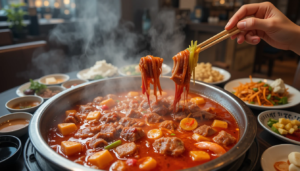
Place your hotpot on an induction or portable burner at the table. Let everyone cook their ingredients to taste:
-
Meat: 20–30 seconds
-
Shrimp: 1–2 minutes
-
Veggies/Mushrooms: 2–3 minutes
-
Tofu: 3–5 minutes
-
Noodles: 2–3 minutes
Step 4: Dipping Sauce Bar
Offer a customizable sauce station with:
-
Sesame paste
-
Soy sauce
-
Garlic
-
Chili oil
-
Vinegar
-
Fresh cilantro
-
Crushed peanuts
Calorie Optimization: 5 Smart Ways to Lighten Your Yin Tang Hotpot
Love the spice but want to keep it light? Try these pro tips:
-
Swap Beef for Lean Proteins
Use chicken breast or white fish instead of ribeye for a 200–300 kcal drop per serving. -
Cut Down on Oil
Use 1 tsp of chili oil instead of 1 tbsp, and enhance spice with fresh chilies and peppercorns. -
Go Plant-Heavy
Add more bok choy, lotus root, zucchini, and daikon radish—low-calorie yet filling. -
Choose Shirataki Noodles
These low-carb konjac noodles offer only 20 kcal per serving! -
DIY Broth
Use homemade or low-sodium chicken stock instead of pre-packaged soup base to reduce sodium and fat.
FAQ: Yin Tang Spicy Hotpot Essentials
How should I store leftovers?
-
Cool immediately and store ingredients separately from broth.
-
Use airtight containers; refrigerate up to 3 days.
-
Reheat broth thoroughly before use.
Can I substitute the Yin Tang base?
Yes! Try a homemade version:
-
2 tbsp doubanjiang (chili bean paste)
-
1 tbsp soy sauce
-
1 tsp five-spice
-
1 tsp chili flakes
Is it vegan-friendly?
Absolutely! Skip meat and seafood and load up on tofu, tempeh, mushrooms, kelp, and vegan hotpot broth.
Can I make it gluten-free?
Yes! Use tamari instead of soy sauce and verify that your hotpot base is GF-certified. Glass noodles and tofu are naturally gluten-free.
How spicy is Yin Tang hotpot?
On a scale of 1–10, it ranges from 7–9 depending on the base. You can adjust by diluting the broth or offering a non-spicy section of the pot.
Final Thoughts: Embrace the Fire, Fuel the Body
Yin Tang Spicy Hotpot is not just a fiery meal—it’s a sensory celebration. With the perfect blend of proteins, spices, and vegetables, it brings people together around health, heritage, and heat. Whether you’re a spice fanatic or new to Sichuan cuisine, this hotpot invites customization, experimentation, and joy in every bubbling bite.
Quick Highlights
-
Origin: Sichuan, China
-
Main flavors: Spicy, numbing, umami
-
Best for: Social meals, winter nights, healthy indulgence
-
Calories per serving: Approx. 511 kcal
-
Core health benefits: Anti-inflammatory, protein-rich, fiber-loaded