
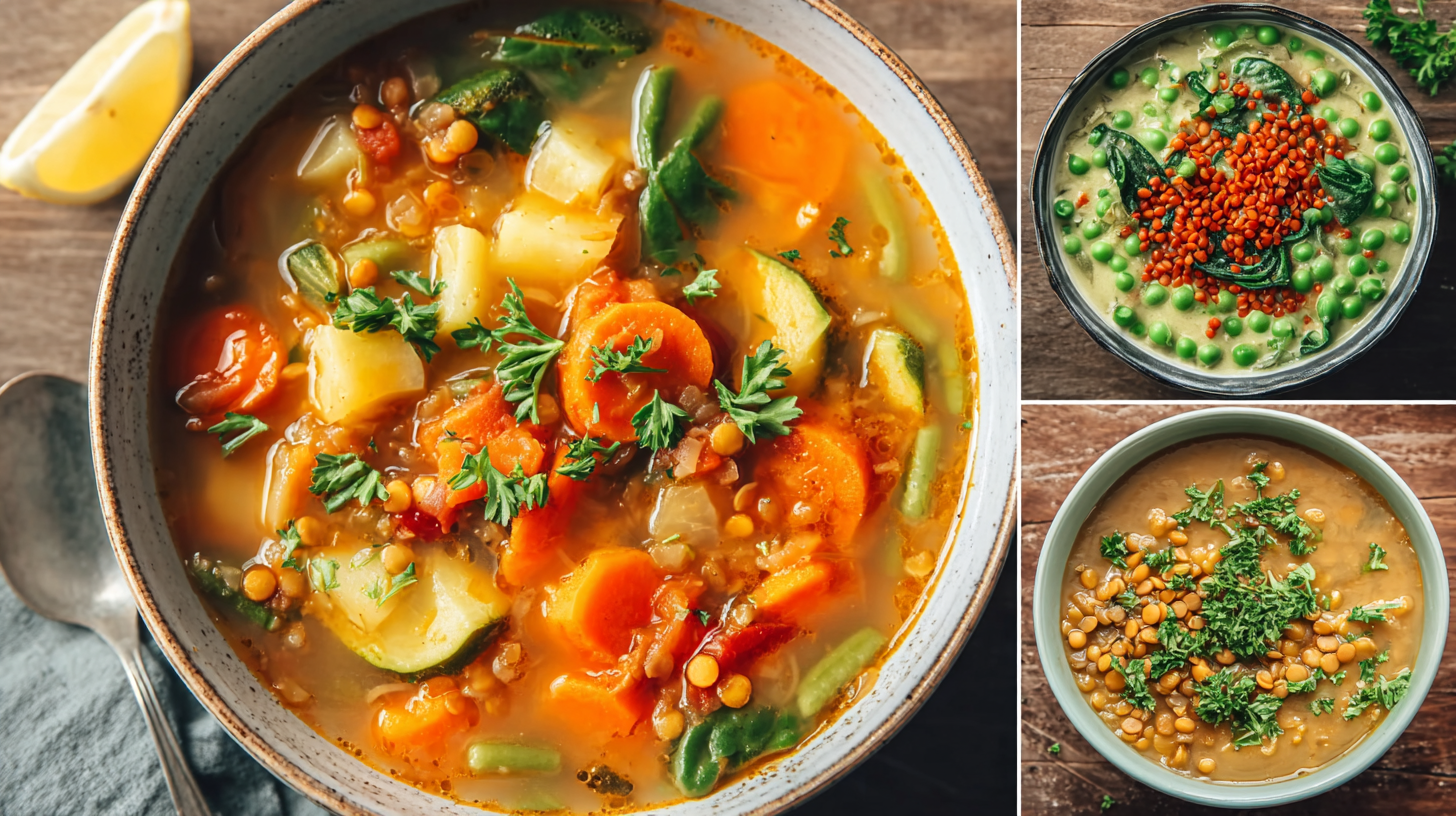
Soup Recipes Abiotic Factor has been a culinary staple across cultures for millennia—from the brothy pho of Vietnam to the hearty chowders of New England. But beyond flavor and comfort, soup offers something more fundamental: a unique interaction of biotic and abiotic factors in cooking.
Abiotic factors refer to non-living elements that influence ecosystems—like temperature, water, minerals, and pH. In cooking, these play a major role too. Think: heat, mineral content of water, acidity from vinegar or tomatoes, and salt balance. These abiotic factors directly impact texture, nutrient preservation, and flavor development in soup recipes.
Whether you’re whipping up a detox lentil soup or a classic chicken broth, understanding how abiotic factors affect soup can elevate your recipe from good to gourmet.
Table of Contents
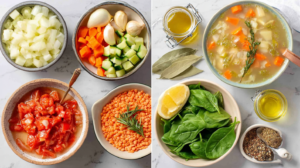
Ingredient
| Ingredient Item | Exact Quantity (Metric + US) | Calories (per listed quantity) |
|---|---|---|
| Olive Oil | 2 tbsp (30 mL) | 240 kcal |
| Yellow Onion | 1 medium (150g) | 60 kcal |
| Garlic | 4 cloves (12g) | 18 kcal |
| Carrots | 2 medium (120g) | 50 kcal |
| Celery | 2 stalks (100g) | 16 kcal |
| Zucchini | 1 cup diced (124g) | 20 kcal |
| Fresh Spinach | 2 cups packed (90g) | 21 kcal |
| Canned Diced Tomatoes | 1 cup (240g) | 45 kcal |
| Red Lentils | 1/2 cup dry (100g) | 343 kcal |
| Vegetable Broth (low sodium) | 4 cups (1 liter) | 60 kcal |
| Sea Salt | 1 tsp (6g) | 0 kcal |
| Black Pepper | 1/2 tsp (1g) | 3 kcal |
| Thyme (dried) | 1 tsp (1g) | 3 kcal |
| Lemon Juice | 2 tbsp (30 mL) | 8 kcal |
| Bay Leaf | 1 whole leaf | 0 kcal |
| Optional Garnish: Parsley | 1 tbsp chopped (3g) | 1 kcal |
🔢 Total Calories (per full batch): ~888 kcal
Makes ~4 large servings → 222 kcal per bowl
Nutritional Science: The Role of Abiotic Factors
While soup is undeniably flavorful, its nutritional value depends on the abiotic factors involved in cooking, such as:
-
Heat: High heat breaks down cell walls in vegetables, releasing antioxidants like beta-carotene and lycopene.
-
Water: Used as a solvent, water extracts soluble vitamins (like B and C), which are retained in the broth.
-
pH (Acidity): A splash of lemon or tomato enhances iron absorption from plant sources like spinach and lentils.
-
Minerals: Ingredients like sea salt and thyme contribute electrolytes and trace minerals.
-
Time: Longer simmering enhances flavor via Maillard reactions and allows for deeper extraction of nutrients.
Lentils are rich in plant-based protein, iron, and folate, while carrots and spinach contribute fiber, vitamin A, and potassium.
Step-by-Step: How to Cook Soup Recipes Abiotic Factor Like a Pro
Prep Time: 10 minutes
Cook Time: 35 minutes
Servings: 4
Step 1: Sauté Aromatics
Heat 2 tbsp of olive oil in a heavy-bottom pot. Add chopped onion, garlic, carrots, and celery.
Sauté on medium heat for 5-7 minutes, until translucent and fragrant. This forms the flavor base.
🧠 Pro Tip: Avoid browning garlic—it turns bitter. Add it after onions are softened.
Step 2: Introduce Abiotic Ingredients
Add zucchini, lentils, and diced tomatoes. Stir in thyme, pepper, and bay leaf.
🔬 These components bring acidity (tomato), protein (lentils), and hydration (zucchini).
Step 3: Simmer to Develop Flavor
Pour in vegetable broth and bring to a gentle boil. Reduce heat to low and simmer uncovered for 25 minutes.
🔥 Maintain low heat to avoid nutrient loss from rapid boiling.
Step 4: Add Greens and Acid
Stir in spinach and lemon juice. Simmer for 3-5 more minutes just until spinach wilts.
🍋 Lemon balances the earthiness of lentils and boosts iron absorption.
Step 5: Taste and Serve
Remove bay leaf. Adjust salt or lemon to taste.
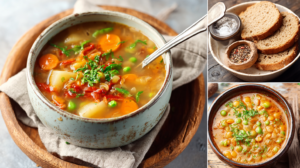
Garnish with fresh parsley and serve piping hot with whole-grain bread or croutons.
Calorie Optimization: 5 Smart Tweaks
Want to keep it light without losing flavor? Try these five pro tips:
-
Swap Oil with Broth: Use 1 tbsp olive oil + 1/4 cup broth for sautéing to cut 120 kcal.
-
Double Greens, Halve Lentils: More spinach, fewer lentils = lower carbs, same nutrients.
-
Use Spiralized Zucchini: Adds volume and crunch with virtually no calories.
-
Add Vinegar: A teaspoon of apple cider vinegar gives a tangy depth with zero calories.
-
Low-Sodium Broth: Choose unsalted broth and season yourself for heart-friendly results.
FAQ: Soup Storage, Substitutes & Diet Tips
How long can I store this soup?
Up to 5 days in the fridge in an airtight container. Or freeze for 3 months in freezer bags.
Can I use other vegetables?
Absolutely! Try kale, sweet potatoes, mushrooms, or bell peppers. Just adjust cooking time.
How to make it creamier?
-
Add 1/2 cup coconut milk for a silky texture (adds ~200 kcal to batch).
-
Or blend half the soup before adding greens.
Is this recipe vegan and gluten-free?
Yes! It contains no dairy or gluten. Always check broth labels to ensure compliance.
I don’t like garlic. Can I skip it?
Yes, but consider using leek or shallot for a milder aromatic alternative.
Final Thoughts: The Power of Abiotic Factors in Soup
This soup recipe is more than a comforting bowl—it’s an example of how non-living factors (abiotic) shape our cooking:
-
Water as a medium unlocks soluble nutrients
-
Heat alters textures and nutrient bioavailability
-
Acidity enhances mineral absorption
-
Time melds flavors and nutrients into balance
Every step of your cooking is a micro-environment, influenced by science—and you’re the ecosystem manager.
Mobile-Friendly Summary
-
Total Prep Time: ~45 mins
-
4 servings (~222 kcal each)
-
High in fiber, protein, and iron
-
Vegan, gluten-free, heart-healthy
-
Pro techniques & flavor science explained
Keywords Included Naturally
-
Soup recipes
-
Abiotic factor in cooking
-
Vegan lentil soup
-
Nutritional soup recipe
-
How acidity affects soup
-
Healthy low-calorie soups
-
Vegetable broth soup
-
Gluten-free soup ideas