
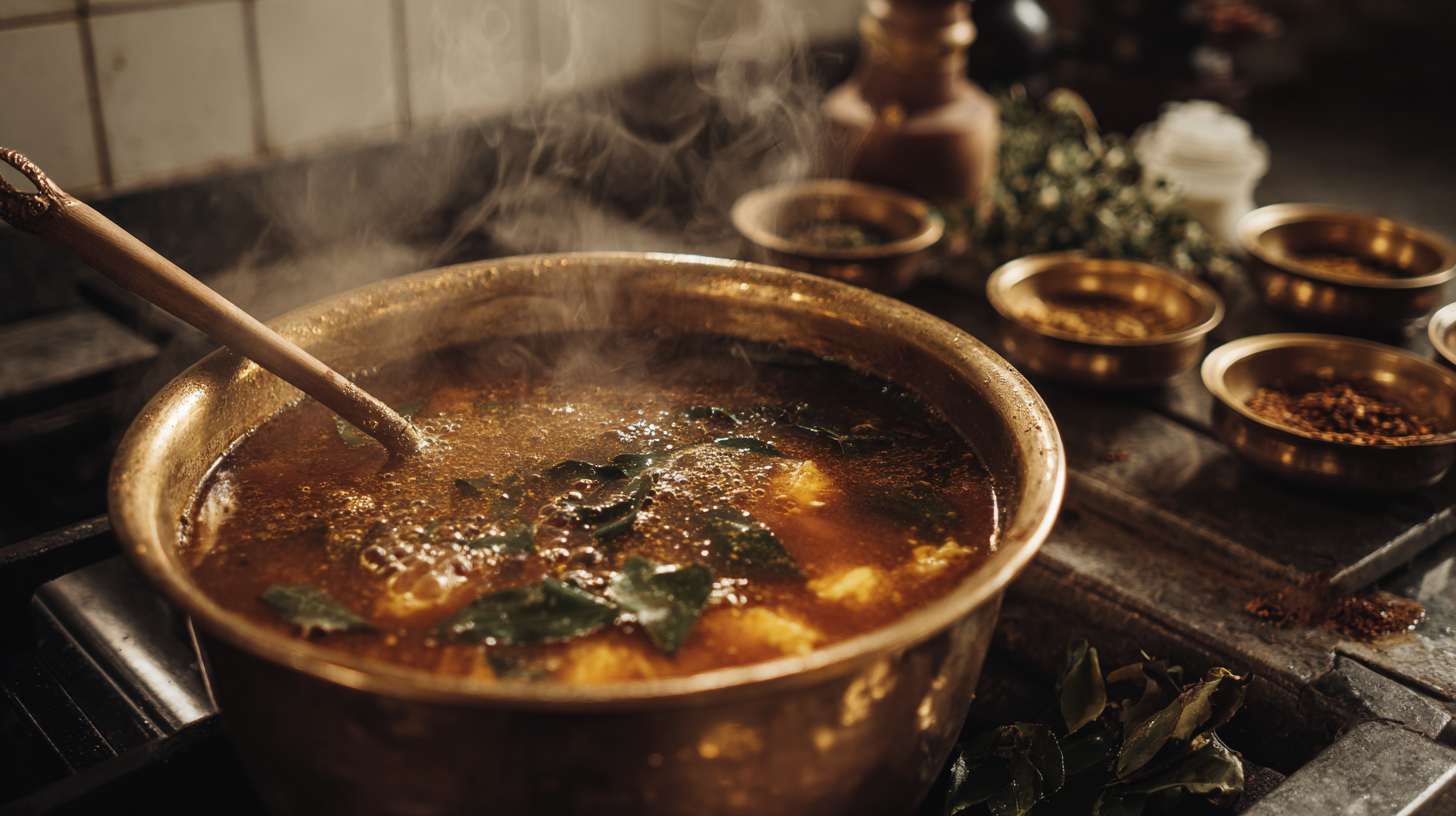
Devasthana Saaru is a cherished recipe deeply rooted in Konkani culinary traditions, renowned for its rich and comforting flavors. This delightful dish is commonly enjoyed in Konkani households and holds a special place in festive and religious occasions, often served as a warm accompaniment to rice.
The preparation of Devasthana Saaru is an aromatic adventure, combining a blend of spices, coconut, and tamarind to create a flavorful and hearty broth. Embodying the essence of Konkani cuisine, this saaru offers a glimpse into the region’s vibrant gastronomic heritage, inviting you to experience an authentic taste of the coast.
Table of Contents
A Glimpse into Konkani Recipe – Devasthana Saaru: Steps
- Gather Ingredients: Begin by assembling all necessary ingredients, including freshly grated coconut, tamarind pulp, red chilies, coriander seeds, cumin seeds, and fenugreek seeds. Fresh curry leaves, mustard seeds, and turmeric powder are also essential.
- Roast the Spices: In a pan, dry roast the coriander seeds, cumin seeds, fenugreek seeds, and red chilies until they release a fragrant aroma. Ensure the spices do not burn, as this will affect the taste of the saaru.
- Prepare the Masala: Transfer the roasted spices to a grinder and add the grated coconut along with a few teaspoons of water to form a smooth paste. The consistency should be fine and slightly thick.
- Cook the Base: In a pot, heat a bit of oil and add mustard seeds. Once they start to splutter, toss in the curry leaves followed by the prepared masala paste. Sauté the mixture until the oil separates.
- Add Tamarind and Water: Pour in the tamarind pulp and sufficient water, stirring gently to blend. Let the mixture simmer on a low flame, allowing the flavors to meld.
- Season and Simmer: Add turmeric powder and salt to taste. Continue to simmer the saaru for around 15-20 minutes, ensuring the consistency is to your liking—neither too thick nor too watery.
- Serving Suggestions: Serve Devasthana Saaru hot, paired with steamed rice for an authentic Konkani dining experience, or enjoy it as a comforting soup on cooler days.
Simple Konkani Recipe: Devasthana Saaru for Beginners
Even if you’re new to Konkani cooking, making Devasthana Saaru can be a delightful experience. Follow these simplified steps to enjoy this classic dish:
- Basic Ingredients: Gather some grated coconut (fresh or desiccated), tamarind pulp, red chili powder, cumin seeds, mustard seeds, and turmeric powder. You’ll also need oil, salt, and fresh or dried curry leaves.
- Ready the Tamarind: In a bowl, soak a small ball of tamarind in warm water for about 10 minutes. Squeeze and extract the pulp, discarding any solids.
- Cook Simple Masala: Instead of grinding spices, use red chili powder for ease. In a pot, heat some oil and add the mustard seeds. Once they pop, add the cumin seeds and curry leaves.
- Mix and Simmer: Add the tamarind pulp, a spoonful of red chili powder, a pinch of turmeric, and salt to taste. Stir well and allow the mixture to simmer.
- Add Coconut: Incorporate the grated coconut into the mixture, stirring to blend. Add water to achieve a soupy consistency, then let it simmer gently.
- Finishing Touches: Adjust the seasonings as needed, and simmer for another 10 minutes until the flavors meld perfectly.
- Serve Simply: Enjoy your beginner-friendly Devasthana Saaru hot with steamed rice or as a standalone light soup, soaking up the aromatic flavors of Konkani cuisine.
Devasthana Saaru Ingredients: A Detailed Breakdown
To master Devasthana Saaru, understanding the key ingredients is essential. This traditional Konkani dish relies on a carefully curated selection of elements that come together to create its signature taste. Here is a breakdown of the primary ingredients used in this beloved recipe:
- Lentils: Typically, toor dal (split pigeon peas) serves as the base for Devasthana Saaru. Rich in protein and nutrients, lentils add body and heartiness to the dish.
- Coconut: Freshly grated coconut is a vital component, providing creaminess and a hint of natural sweetness that balances the spices.
- Spices: The spice blend includes red chili, coriander seeds, cumin, and turmeric, each contributing its own unique flavor and aroma. These spices give the saar its distinct warmth and depth.
- Tamarind: This tangy fruit is used to impart a subtle sourness to the dish, enhancing its overall complexity.
- Tempering: A tempering of mustard seeds, curry leaves, and asafoetida is added at the end, elevating the dish’s aroma and flavor profile.
- Salt and Water: Basic yet essential, these ingredients are used to adjust the saar’s seasoning and consistency.
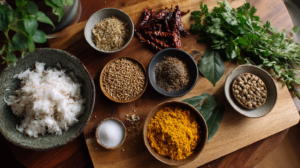
By familiarizing yourself with these core ingredients, you’ll be well-equipped to create a deliciously authentic Devasthana Saaru.
How to Prepare Devasthana Saaru: A Step-by-Step Guide
Creating Devasthana Saaru from scratch is a rewarding endeavor that involves several key steps. Follow this guide to achieve an authentic Konkani flavor experience:
- Cook the Lentils: Begin by rinsing and cooking the toor dal in a pressure cooker until soft and tender. This process typically takes about 15-20 minutes. Set aside once done.
- Prepare the Spice Paste: In a pan, dry roast red chili, coriander seeds, and cumin until fragrant. Allow them to cool before grinding them into a fine paste with freshly grated coconut and a small amount of water. This mixture forms the flavorful base of the saar.
- Combine Ingredients: In a pot, mix the cooked lentils with the spice paste, tamarind extract, turmeric, and salt. Add water to achieve the desired consistency. Bring the mixture to a gentle simmer, allowing the flavors to meld together.
- Tempering: In a separate small pan, heat a tablespoon of oil and add mustard seeds. Once they begin to splutter, add curry leaves and a pinch of asafoetida. Pour this tempering over the simmering saar, stirring it in gently.
- Adjust Seasoning: Taste the Devasthana Saaru and adjust the seasoning as needed, ensuring a harmonious balance of flavors.
- Serve and Enjoy: Once the saar has reached the desired taste and consistency, serve it hot over steamed rice, accompanied by a side of pickles or papad.
Following these steps will guide you toward creating a delicious and authentic Devasthana Saaru that reflects the richness of Konkani cuisine.
Creating Thili Saaru: A Delicious Konkani Alternative
Thili Saaru is a simpler yet equally delightful version of the traditional Konkani saaru recipes. With its aromatic spices and tangy-sweet tamarind touch, it makes a perfect accompaniment to rice or as a comforting soup. Follow these steps to create this classic dish:
- Cook the Lentils: Start by rinsing toor dal thoroughly and cooking it in a pressure cooker until it is soft. This should take about 15 minutes. Once cooked, mash the dal slightly and set it aside.
- Prepare the Tamarind Water: Soak a small ball of tamarind in warm water for 10-15 minutes, then extract the pulp, ensuring no seeds remain. Set the tamarind water aside for later use.
- Roast Spices: In a pan, dry roast a few dry red chilies along with some coriander seeds until fragrant. Once roasted, allow them to cool slightly before grinding them into a coarsely grounded mix.
- Combine Ingredients: In a large pot, add the mashed lentils, tamarind water, roasted spice mix, turmeric, jaggery, and salt. Stir well, adding water to achieve a slightly thin consistency, and bring it to a gentle boil.
- Simmer and Taste: Let the mixture simmer on low flame for about 10 minutes, allowing the flavors to meld and develop. Taste and adjust seasoning if necessary, achieving a balanced spicy-tangy-sweet profile.
- Tempering: In a small pan, heat oil and add mustard seeds. Once they begin to pop, add a pinch of asafoetida and a few curry leaves. Pour this tempering over the simmered mixture, immediately covering the pot to trap the aromas.
Enjoy this delectable Thili Saaru served hot over steamed rice or sipped as a warming soup, capturing the essence of Konkani culinary tradition.
Bele Saaru Recipe: The Perfect Companion for Devasthana Saaru
Bele Saaru is a classic Konkani dish that offers a comforting and flavorful experience, making it an ideal companion for Devasthana Saaru. This aromatic lentil soup is both nutritious and easy to prepare. Follow these simple steps to create a delightful Bele Saaru:
- Cook the Lentils: Thoroughly rinse toor dal and cook it in a pressure cooker with enough water until it is soft and mushy, typically for about 20 minutes. Once cooked, mash the dal to a smooth consistency and set it aside.
- Prepare the Spice Mix: In a non-stick pan, dry roast coriander seeds, cumin seeds, and dry red chilies until they release a fragrant aroma. Allow them to cool and then grind into a fine powder using a spice grinder or mortar and pestle.
- Prepare Tamarind Extract: Soak a small piece of tamarind in warm water for 10 minutes. Squeeze the tamarind well to extract the pulp and discard the solids, setting the extract aside for later use.
- Combine Ingredients: In a cooking pot, combine the mashed lentils with the ground spice mix, tamarind extract, and turmeric powder. Gradually add water to achieve a soup-like consistency and bring the mixture to a gentle boil.
- Season: Season the Bele Saaru with salt and a pinch of jaggery to enhance the flavor balance. Let it simmer on low heat for 15 minutes, allowing the spices and tamarind to infuse completely.
- Tempering: For the tempering, heat oil in a small pan, then add mustard seeds. Once they start to splutter, toss in curry leaves and a pinch of asafoetida. Pour this fragrant tempering over the Bele Saaru and stir gently.
- Serve: Serve the hot Bele Saaru over steamed rice or partake of it on its own as a warming soup, enjoying the harmonious blend of spices that embody the essence of Konkani cuisine.
By following these steps, you will craft a wonderfully authentic Bele Saaru that complements and enhances any traditional Konkani meal.
Mangalore Rasam Recipe: A Popular Konkani Favorite
Mangalore Rasam, also known as Mangaluru Saaru, is a beloved dish in Konkani cuisine, cherished for its tangy flavor and spicy notes. This rasam is simple to prepare and makes a delightful accompaniment to meals. Follow these steps to make this flavorful dish:
- Cook the Lentils: Rinse and pressure cook half a cup of toor dal with sufficient water until soft, approximately 15-20 minutes. Mash the cooked dal to a smooth consistency and set aside.
- Roast Spices: In a pan, dry roast a combination of cumin seeds, coriander seeds, and a few dry red chilies until aromatic. Allow the spices to cool, then grind them into a fine powder.
- Prepare Tamarind Extract: Soak a small ball of tamarind in warm water for about 10 minutes, then extract the pulp, discarding any seeds and fibers. Set the tamarind extract aside.
- Mix Ingredients: In a cooking pot, combine the mashed lentils with the ground spice mix and tamarind extract. Add chopped tomatoes, green chilies, turmeric, and salt to taste. Pour in water to achieve a thin, soupy consistency and bring to a gentle boil.
- Simmer: Reduce the heat and let the rasam simmer for around 10 minutes. This helps the flavors blend well and ensures the spices infuse the rasam thoroughly.
- Tempering: In a small pan, heat a tablespoon of oil and add mustard seeds. Once they start to pop, add curry leaves and a pinch of asafoetida. Pour this tempering over the simmered rasam and cover immediately to capture the aroma.
- Garnish and Serve: Garnish the Mangalore Rasam with chopped cilantro for a fresh flavor boost. Serve hot with steamed rice or enjoy it on its own as a delicious, warming soup.
With these straightforward steps, you can enjoy an authentic taste of Mangalore’s culinary heritage in your own home.
Comparison of Temple Style Rasam and Devasthana Saaru
Below is a comparison table outlining the key differences and similarities between Temple Style Rasam and Devasthana Saaru, two distinct but culturally rich Konkani dishes:
|
Aspect |
Temple Style Rasam |
Devasthana Saaru |
|---|---|---|
|
Primary Ingredients |
Toor dal, tamarind, tomatoes, and spices |
Toor dal, tamarind, roasted spices, and jaggery |
|
Flavor Profile |
Tangy and spicy |
Balanced spicy-tangy-sweet |
|
Preparation Method |
Uses a blend of lentils, spices, and tempering |
Incorporates a textured spice and jaggery mix |
|
Consistency |
Soupy and thin |
Slightly thicker |
|
Cultural Significance |
Popularly served in temples and during religious events |
Traditional in Konkani religious and cultural gatherings |
|
Serving Style |
Often served as a first course with rice |
Typically enjoyed over rice or as a stand-alone soup |
|
Tempering Ingredients |
Mustard seeds, curry leaves, asafoetida |
Mustard seeds, curry leaves, asafoetida |
This table provides an overview to better understand the nuances and dining experiences provided by these dishes, celebrating the rich flavors and traditions of Konkani cuisine.
Obbattu Saaru Brahmin Style: A Sacred Recipe Paired with Devasthana Saaru
Obbattu Saaru, also known as Holige Saaru, is a revered dish in Brahmin cuisine that pairs gracefully with Devasthana Saaru. This sacred recipe combines the rich flavors of lentils and spices, offering a delightful experience. Follow these steps to prepare Obbattu Saaru in the traditional Brahmin style:
- Cook the Lentils: Rinse half a cup of chana dal thoroughly and cook in a pressure cooker with enough water until soft, around 15-20 minutes. Once cooked, mash to a smooth consistency and keep aside.
- Prepare the Spice Mix: In a dry pan, roast coriander seeds, cumin seeds, and dry red chilies until aromatic. Allow to cool and grind into a fine powder.
- Prepare Tamarind Extract: Soak a small piece of tamarind in warm water for about 10 minutes. Extract the pulp, discarding solids, and set aside.
- Make Holige Blend: Mix equal parts jaggery and grated coconut. Add cardamom powder and knead into a smooth paste known as Holige.
- Combine Ingredients: In a cooking pot, combine mashed lentils, spice mix, and tamarind extract. Add Holige paste to infuse a unique sweetness and richness.
- Simmer: Add water to achieve desired saucy consistency. Bring to a gentle boil and let it simmer for 10-15 minutes, allowing flavors to meld.
- Tempering: Heat ghee in a pan and add mustard seeds. Once they splutter, add curry leaves and a pinch of asafoetida. Pour the tempering over the simmered saaru.
- Serve: Serve Obbattu Saaru hot with steamed rice, relishing its sacred flavors that are an integral part of Brahmin culinary heritage.
By following these steps, you will create an authentic Obbattu Saaru that celebrates traditional Brahmin cuisine and complements Devasthana Saaru beautifully.
The Health Benefits of Devasthana Saaru
Devasthana Saaru is not just a feast for the senses; it’s also a nutritious addition to your diet. This traditional Konkani dish offers a number of health benefits owing to its wholesome ingredients. Toor dal, a key component, is a great source of protein and essential nutrients like iron and potassium, supporting muscle growth and maintaining electrolyte balance. With the inclusion of tamarind, this dish aids digestion and provides antioxidants, while the use of coconut contributes healthy fats that promote heart health.
The spices used in Devasthana Saaru, such as cumin and coriander, are known for their anti-inflammatory properties and potential to boost metabolism. By including this flavorful dish in your meal plan, you can enjoy a nourishing and satisfying experience without compromising on taste.
Devasthana Saaru Nutritional Information
|
Nutrient |
Amount per Serving |
|
——————– |
——————-: |
|
Calories |
180 kcal |
|
Protein |
8 g |
|
Carbohydrates |
22 g |
|
Dietary Fiber |
4 g |
|
Total Fat |
7 g |
|
Saturated Fat |
3 g |
|
Sodium |
200 mg |
|
Potassium |
350 mg |
Note: Nutritional values are approximate and may vary based on specific ingredients and preparation methods.
Avoiding Common Mistakes in Preparing Devasthana Saaru
While Devasthana Saaru is a relatively simple dish to prepare, there are common mistakes that can impact the final result. To ensure a successful and delicious outcome, keep the following tips in mind:
- Overcooking Lentils: Overcooked lentils can lead to a mushy texture, affecting the overall consistency of the dish. Keep a close eye on the cooking process and remove the lentils from heat once they are soft and tender.
- Imbalanced Spices: The blend of spices is crucial to achieving the authentic taste of Devasthana Saaru. Avoid using too much or too little of any particular spice, as this can disrupt the harmony of flavors.
- Skipping the Tempering: The tempering process is an essential step that enhances the aroma and flavor of the saar. Be sure to include this step, using mustard seeds, curry leaves, and asafoetida.
- Ignoring Ingredient Quality: The freshness and quality of ingredients play a significant role in the dish’s final taste. Select high-quality produce and spices to ensure the best possible outcome.
By avoiding these common pitfalls, you’ll be well-equipped to create a delicious and authentic Devasthana Saaru that captures the essence of Konkani cuisine.
FAQs About Devasthana Saaru and Other Popular Konkani Recipes
Q: Can I make Devasthana Saaru without coconut?
A: While coconut is a traditional ingredient in Devasthana Saaru, you can substitute it with a small amount of coconut milk or almond paste for a similar creamy texture.
Q: What is the difference between Devasthana Saaru and Temple Style Rasam?
A: Devasthana Saaru is a rich and hearty dish made with lentils and coconut, while Temple Style Rasam is a tangy and spicy soup often prepared for religious ceremonies.
Q: How do I store leftover Devasthana Saaru?
A: Store leftover Devasthana Saaru in an airtight container in the refrigerator for up to three days. Reheat gently on the stovetop before serving.
Q: Can I freeze Devasthana Saaru?
A: Yes, you can freeze Devasthana Saaru for up to three months. Thaw overnight in the refrigerator and reheat gently before serving.
By addressing these common questions, you’ll gain a better understanding of Devasthana Saaru and other popular Konkani recipes, enhancing your culinary skills and appreciation for Konkani cuisine.
Conclusion
Devasthana Saaru is a cherished Konkani recipe that offers a delightful and authentic taste of Konkani cuisine. With its rich flavors and nourishing qualities, this dish is more than just a meal—it’s a cultural experience that connects us to the traditions and history of Konkani cooking.
By exploring the diverse elements of Devasthana Saaru, from its ingredients and preparation process to its health benefits and cultural significance, we’ve uncovered the essence of this beloved dish. Whether you’re a seasoned home cook or new to Konkani cuisine, Devasthana Saaru invites you to savor the rich tapestry of flavors it has to offer.
If you’re eager to learn more about Konkani cuisine and explore additional recipes, we encourage you to continue your culinary journey. With each dish, you’ll gain a deeper understanding and appreciation for the vibrant and diverse world of Konkani cooking. Enjoy the adventure, and happy cooking!