
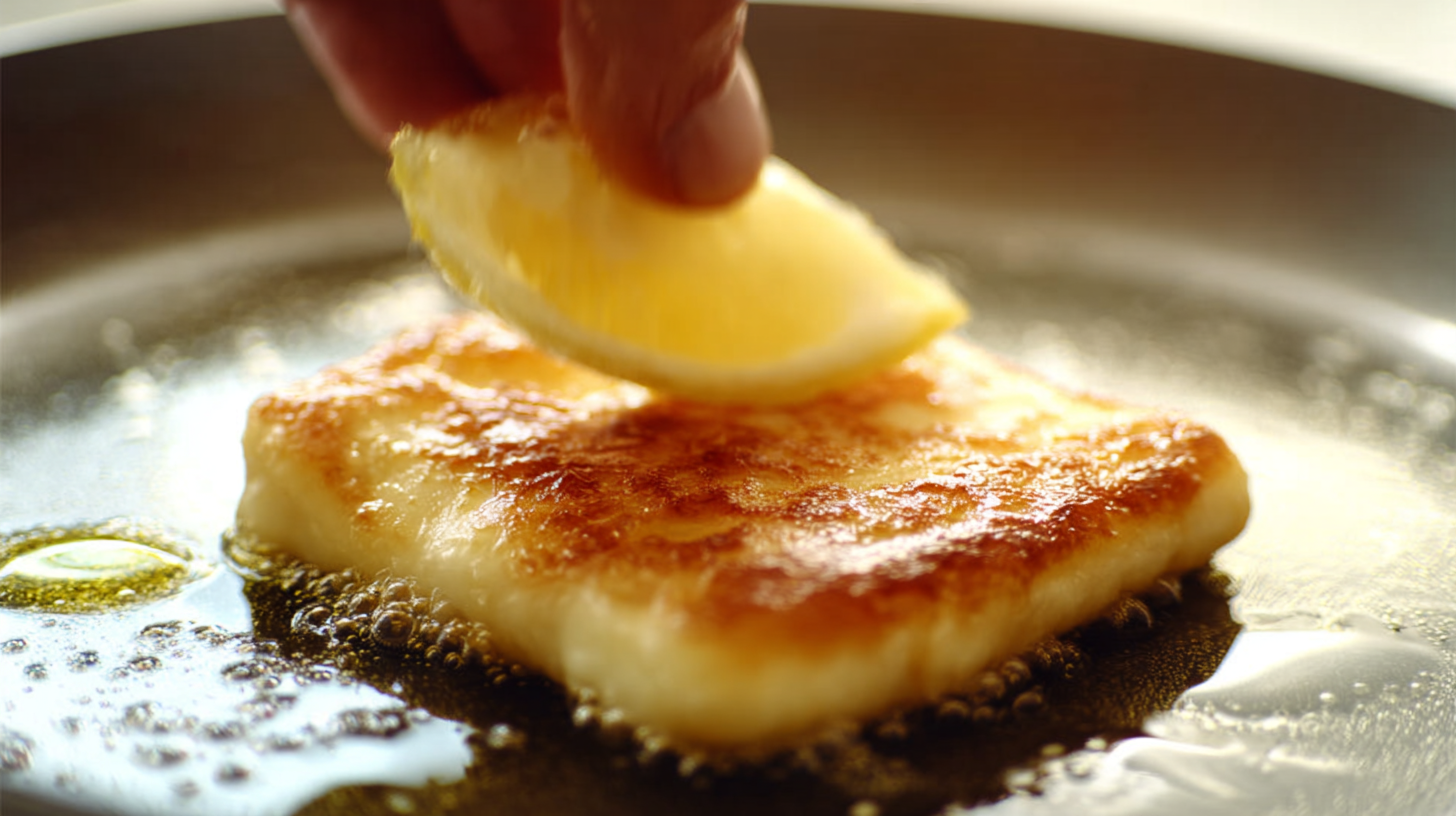
If you’ve ever dined in a Greek taverna and witnessed a sizzling plate of golden-fried cheese flambéed with a dramatic shout of “Opa!”—you’ve met Saganáki. Named after the saganaki pan it’s cooked in, this iconic appetizer is more than just cheese; it’s a cultural moment.
Whether made with Kefalograviera, Kasseri, or Halloumi, saganáki is a crispy, melty indulgence that bridges tradition with taste. But can something this decadent be part of a balanced diet? Absolutely—with the right approach.
Let’s explore the art, science, and smart strategies behind preparing and enjoying healthy saganaki.
Table of Contents
Ingredient & Calorie Table: What’s In Your Saganáki?
| Ingredient Item | Exact Quantity (Metric + US) | Calories (Per Listed Quantity) |
|---|---|---|
| Kefalograviera Cheese | 150g (about 1 block) | 495 kcal |
| All-Purpose Flour | 3 tbsp (24g) | 87 kcal |
| Extra Virgin Olive Oil | 2 tbsp (30ml) | 238 kcal |
| Fresh Lemon Juice | 1 tbsp (15ml) | 4 kcal |
| Dried Oregano (optional) | ½ tsp | 1 kcal |
| Black Pepper (cracked) | ¼ tsp | 1 kcal |
| Parsley (for garnish) | 1 tbsp chopped (5g) | 2 kcal |
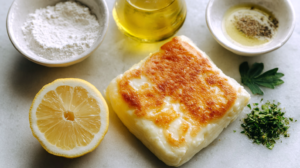
➡️ Total Calories per Serving: ~828 kcal
Serving size: 2–3 people as an appetizer
Nutritional Breakdown: What Makes Saganáki Tick?
Let’s break down the key ingredients through a nutritionist’s lens:
Kefalograviera Cheese
-
Protein: 10g per 50g slice – great for muscle repair
-
Calcium: Strong bones and teeth
-
Sodium: Can be high – moderation is key
-
Fat Content: 30–35%, mostly saturated
Pro Tip: Use Kasseri for a slightly lighter version or Halloumi for grilling ease.
Olive Oil
-
Rich in monounsaturated fats (heart-healthy)
-
Contains antioxidants and anti-inflammatory compounds
Lemon Juice & Herbs
-
Lemon helps balance the fat with acidity
-
Herbs like oregano offer antimicrobial and antioxidant properties
Step-by-Step Saganáki Recipe: From Pan to Plate
Making saganáki might seem simple, but perfecting it requires finesse. Here’s a step-by-step guide with pro chef tips.
Ingredients You’ll Need:
-
1 block of Kefalograviera cheese (or substitute)
-
Flour, for dredging
-
Extra virgin olive oil, for frying
-
Fresh lemon juice
-
Parsley and cracked black pepper, optional
Instructions
-
Prep the Cheese Block
-
Cut cheese into a 1.5cm (½ inch) thick slab. Don’t slice too thin—it may melt too fast.
-
-
Dredge in Flour
-
Lightly dust all sides of the cheese with flour.
Pro tip: Tap off excess—this keeps your crust thin and crisp.
-
-
Heat the Pan
-
Add olive oil to a heavy-bottomed non-stick or cast iron pan over medium heat.
-
Wait until oil shimmers but doesn’t smoke.
-
-
Fry the Cheese
-
Carefully lay the floured cheese into the pan.
-
Cook 1–2 minutes per side until golden brown.
👉 Do not flip too early or it may break.
-
-
Add Lemon Juice
-
Remove from pan, place on serving plate, and immediately squeeze lemon juice over the top.
-
-
Garnish & Serve
-
Sprinkle with cracked pepper, oregano, and fresh parsley.
-
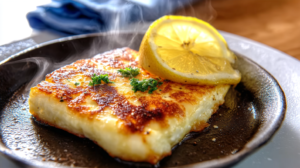
Serve hot. Always. Saganáki is best enjoyed when the crust is crunchy and the inside is molten.
Calorie Optimization: 5 Ways to Make Saganáki Healthier
Yes, saganáki can be indulgent—but these tweaks keep flavor high and calories lower:
1. Use an Air Fryer or Grill Pan
-
Skip the oil and use a non-stick grill or air fryer to get that golden crust.
2. Swap the Cheese
-
Try low-fat Halloumi or reduced-sodium Feta slabs to cut fat and sodium.
3. Flour Alternatives
-
Use chickpea flour or almond flour to add fiber and reduce refined carbs.
4. Serve with Salad
-
Pair saganáki with a tomato-cucumber-olive salad to balance fat with freshness.
5. Control Portions
-
Serve smaller cheese blocks or share one plate between 3 people to enjoy the taste without excess.
Frequently Asked Questions (FAQ)
How Do I Store Leftover Saganáki?
Saganáki is best fresh, but if you must store:
-
Wrap in foil or airtight container
-
Refrigerate for up to 2 days
-
Reheat in a pan, not microwave, for best texture
Can I Freeze It?
Technically yes—but the texture will suffer. Freezing makes the cheese rubbery.
What Cheese Can I Substitute?
Try these:
-
Kasseri: Smooth and rich
-
Halloumi: Doesn’t melt, holds shape
-
Feta (firm block): Crumbles slightly but gives tang
Can It Be Made Gluten-Free?
Yes! Replace regular flour with rice flour or cornstarch for a crispy GF crust.
Is It Vegetarian?
Yes—if you use cheese without animal rennet. Check the label.
Sensory Spotlight: What Does Saganáki Taste Like?
Picture this:
The crust crackles under your fork. A buttery aroma wafts up. Inside, the cheese stretches—molten, salty, tangy, oozing richness. Then the citrus burst of lemon juice cuts through, balancing the fat with zing. Every bite is golden, creamy, crispy delight.
It’s a Greek island sunset on your tongue.
Serving Suggestions: How to Enjoy Saganáki Like a Local
-
With Pita Bread: Soft and warm, perfect for scooping
-
With Ouzo or White Wine: Cuts through the richness
-
As a Mezze Platter Star: Surround with olives, dolmas, and tzatziki
Final Thoughts: Why You Should Try Saganáki Today
Saganáki is not just food—it’s Greek comfort on a plate. It celebrates bold flavor, simple ingredients, and the joy of eating together. When enjoyed mindfully, it can fit beautifully into a healthy lifestyle.
By making a few smart tweaks, you can savor all that sizzling, melty, golden glory—without the guilt.