
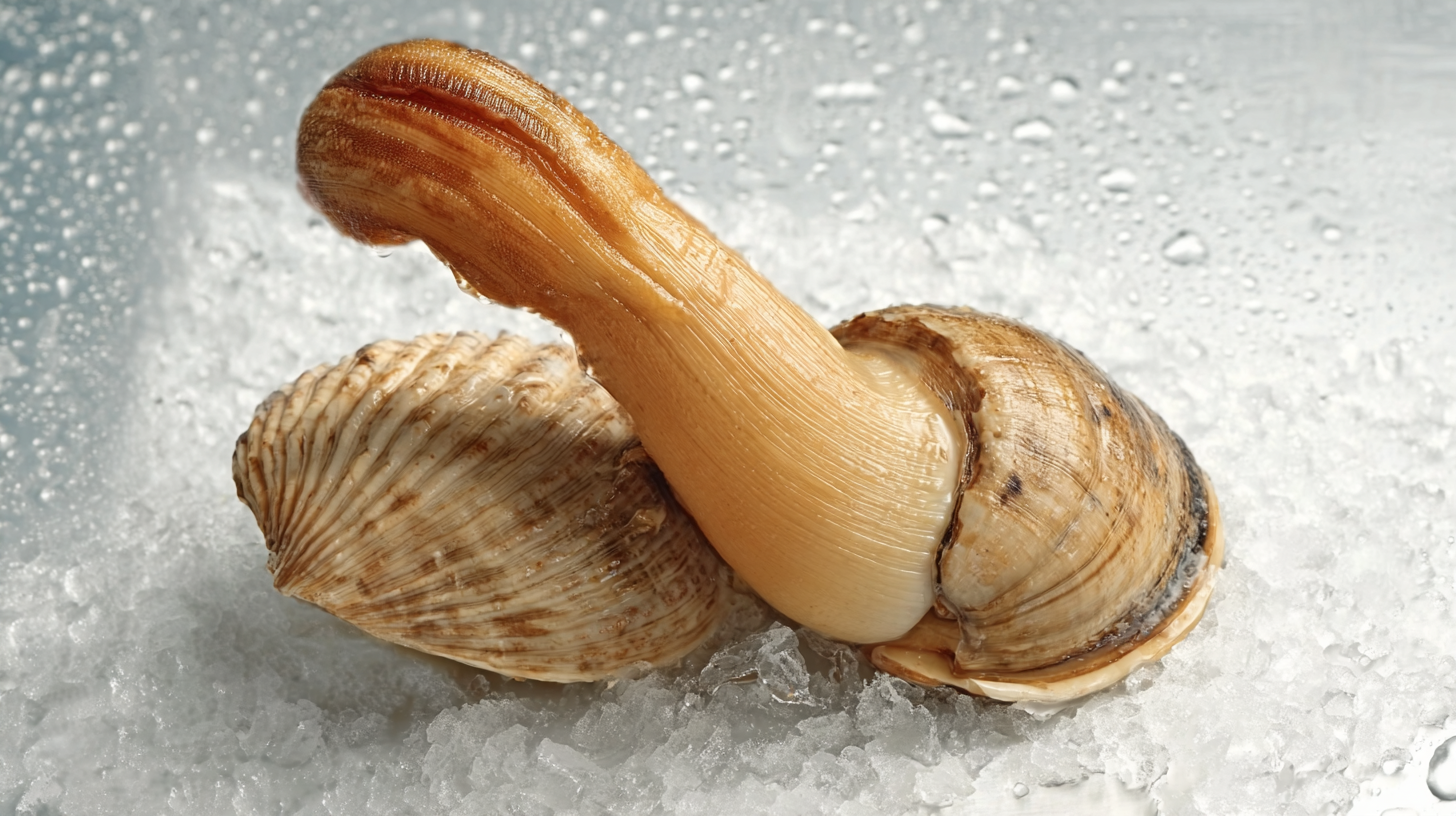
Mirugai, also known as geoduck (pronounced “gooey-duck”), is a prized delicacy in Japanese and Chinese cuisine. Hailing from the Pacific Northwest, this giant saltwater clam is revered for its crisp, sweet flesh and umami-packed essence. In sushi bars, it’s a highlight of omakase platters; in high-end Chinese banquets, it’s delicately poached or served raw with wasabi and soy.
Culturally, mirugai represents luxury and celebration. Its harvesting is labor-intensive, often requiring divers to handpick these deeply buried clams from ocean floors. This makes mirugai not just a delicacy, but a symbol of effort, nature’s abundance, and refined taste.
Health-wise, geoduck is a low-fat, high-protein seafood, ideal for clean eating. It provides:
-
Lean protein to support muscle and tissue repair
-
Omega-3 fatty acids that benefit heart health
-
A variety of minerals, especially zinc and iron
Let’s dive into what makes this mollusk a nutritional powerhouse and how to prepare it like a pro.
Table of Contents
Ingredient & Calorie Table
| Ingredient Item | Exact Quantity (Metric + Cups/tsp) | Calories (per listed quantity) |
|---|---|---|
| Fresh Mirugai (Geoduck) | 200g (approx. 7 oz) | 120 kcal |
| Sea Salt | 1 tsp (5g) | 0 kcal |
| Rice Vinegar | 2 tbsp (30ml) | 6 kcal |
| Sesame Oil | 1 tbsp (15ml) | 120 kcal |
| Soy Sauce (low-sodium) | 1 tbsp (15ml) | 10 kcal |
| Fresh Lemon Juice | 2 tbsp (30ml) | 8 kcal |
| Garlic (minced) | 2 cloves (6g) | 8 kcal |
| Fresh Ginger (grated) | 1 tsp (5g) | 2 kcal |
| Scallions (thinly sliced) | 1 stalk (15g) | 5 kcal |
| Red Chili (sliced) | 1 small chili (5g) | 3 kcal |
| Cucumber (julienned) | 100g (1/2 cup) | 16 kcal |
| Crushed Ice (for cleaning) | As needed | 0 kcal |
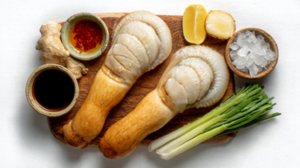
🔢 Total Calorie Count (per serving): ~298 kcal
Serves 2 – Approx. 149 kcal per serving
Science Behind the Shell: Nutritional Breakdown of Mirugai & Key Ingredients
Geoduck (Mirugai) Nutrients (per 100g):
-
Calories: ~60 kcal
-
Protein: 13g
-
Fat: <1g
-
Omega-3s: ~300mg
-
Zinc & Iron: Excellent source
-
Carbohydrates: 0g (perfect for low-carb diets)
Supporting Ingredients:
-
Sesame Oil: Adds healthy unsaturated fats and vitamin E.
-
Garlic & Ginger: Anti-inflammatory and antioxidant-rich.
-
Rice Vinegar: Low-calorie acid that brightens the flavor and aids digestion.
-
Soy Sauce: Brings depth through umami, but should be limited for sodium-sensitive diets.
-
Cucumber & Scallions: Provide fiber and crunch with negligible calories.
Together, these ingredients create a balanced, refreshing dish—great for keto, paleo, and Mediterranean-style diets.
Step-by-Step Cooking: Preparing Mirugai Geoduck Like a Pro
Before you begin: Buy your mirugai from a trusted fishmonger. It should be live or very fresh, with a sweet ocean smell.
1. Cleaning the Geoduck
This step is crucial. Improper cleaning can ruin the dish.
-
Boil a pot of water. Dip the geoduck quickly (10 seconds max) to loosen the outer skin.
-
Peel the siphon (neck) skin—this is chewy and not ideal for sashimi or stir-fry.
-
Slice open the body, remove internal organs (discard or reserve for broths).
-
Rinse with crushed ice and salt water to remove sand and odor.
2. Slicing for Texture
-
Cut the siphon diagonally into very thin slices—this is the prized part.
-
For poaching, cut the belly meat into strips or dice it.
3. Light Marination (Optional but Recommended)
In a bowl, combine:
-
1 tbsp soy sauce
-
1 tbsp lemon juice
-
1 tsp grated ginger
-
Thinly sliced red chili
Soak the geoduck slices for 3–5 minutes for flavor infusion.
4. Serving Options
A. Raw (Sashimi Style):
-
Lay thinly sliced geoduck over cucumber julienne.
-
Drizzle with sesame oil, garnish with scallions and chili.
-
Serve with wasabi and soy on the side.
B. Light Poached:
-
Boil salted water.
-
Drop slices in for 15 seconds, just until opaque.
-
Toss with rice vinegar, sesame oil, and garlic.
C. Stir-fried:
-
Heat sesame oil in a wok.
-
Add garlic, then mirugai slices. Stir-fry for 1 minute.
-
Add scallions and a splash of soy sauce. Serve immediately.
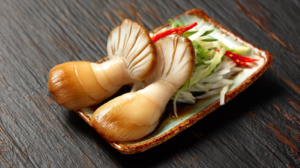
🔥 Pro Tip: Never overcook geoduck. It becomes rubbery past 30 seconds of heat exposure.
Calorie Optimization: 5 Ways to Make Mirugai Healthier
-
Skip the Sesame Oil: Substitute with a few drops of lemon juice or use spray oil for lower fat content.
-
Use Coconut Aminos: A lower-sodium, soy-free alternative to soy sauce.
-
Add Seaweed: Rich in iodine, magnesium, and fiber—makes a fuller meal with fewer calories.
-
Pair with Veggies: Add spiralized cucumber, radish, or daikon to increase volume without calories.
-
Poach Instead of Stir-Fry: Keeps the texture light and avoids excess oil absorption.
FAQ: All About Mirugai Geoduck
Q1: How do I store leftover mirugai?
Store raw geoduck in a bowl of salted ice water in the fridge. Use within 24 hours. Cooked leftovers should be consumed within 48 hours.
Q2: Can I freeze it?
Yes, but only if vacuum-sealed. Texture changes slightly upon thawing—better suited for cooked dishes post-freezing.
Q3: What are some substitutes if I can’t find mirugai?
-
Razor clams (closest texture and flavor)
-
Surf clams (used in sushi)
-
Squid (for stir-fry alternative)
Q4: Is mirugai safe for pregnant women?
Only when thoroughly cooked. Raw mirugai, like all raw seafood, should be avoided due to potential bacteria.
Q5: Can I make it spicy or customize the flavor?
Absolutely! Add Sriracha, chili oil, or even miso for umami. Try a Thai-inspired version with fish sauce and lime.
Final Thoughts: A Gourmet Yet Guilt-Free Treat
Mirugai geoduck is a perfect fusion of exquisite taste, refined presentation, and nutritional richness. Its versatility—from sashimi to stir-fry—makes it an adventurous choice for home cooks and professionals alike.
Whether you’re aiming for keto goals, building a high-protein meal, or just looking to experience one of the sea’s most luxurious bounties, this giant clam won’t disappoint.
Summary Snapshot:
-
✅ High protein, low fat
-
✅ Ready in under 15 minutes
-
✅ Culturally revered and modern-diet friendly
-
✅ Can be enjoyed raw or lightly cooked
-
✅ Great for calorie-conscious foodies