
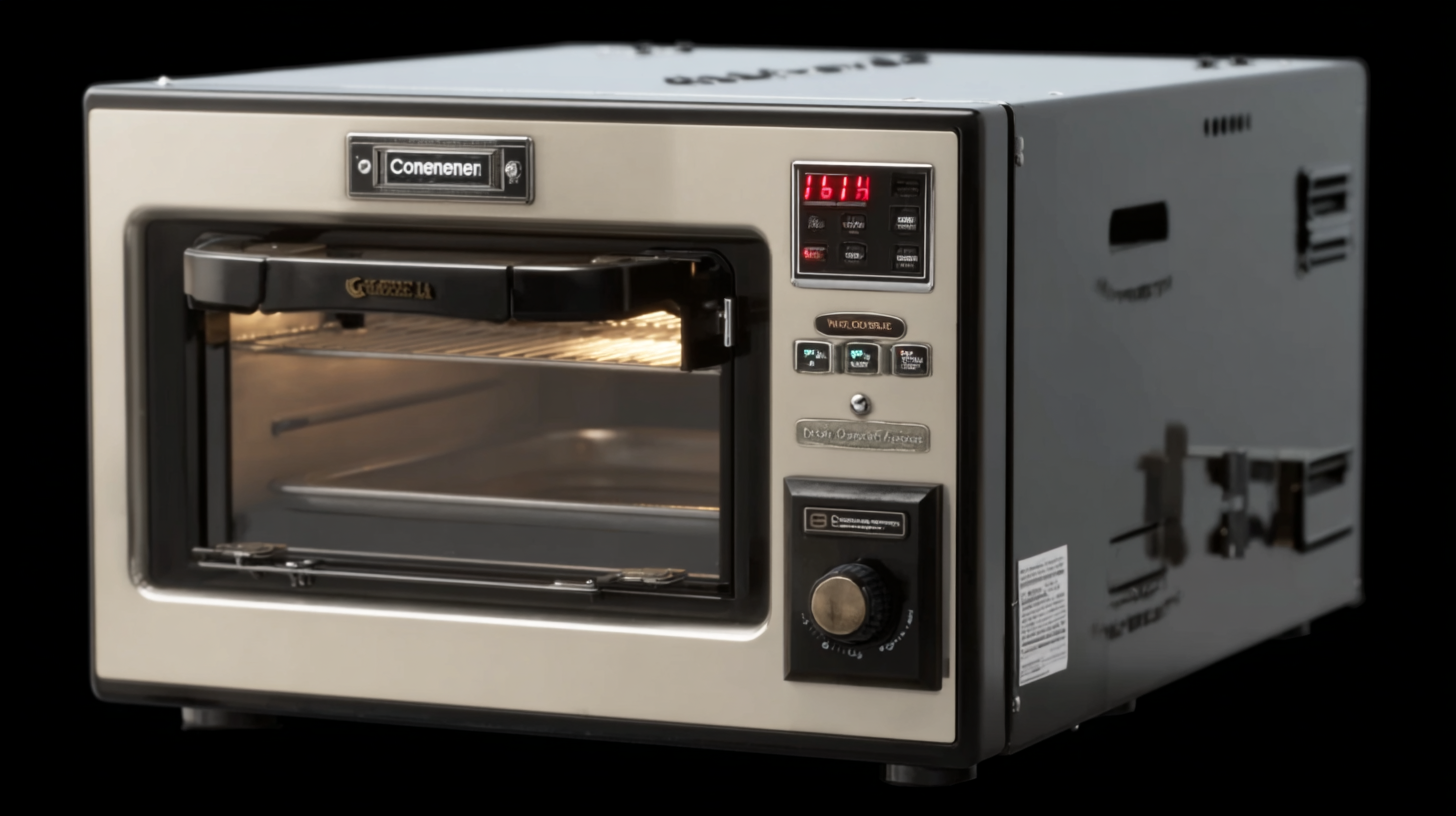
A Commercial Air Fryer is a powerful kitchen appliance designed to mimic the results of deep frying without submerging the food in oil. Unlike its household counterpart, a commercial air fryer is built to withstand the rigors of a bustling kitchen, making it an ideal choice for restaurants and food trucks alike.
The concept behind air frying is simple yet revolutionary. Commercial air fryers use hot air circulation to cook food, ensuring it is crispy on the outside while remaining tender on the inside. This method significantly reduces the amount of oil needed, which not only makes the food healthier but also cuts down on costs associated with purchasing oil.
Essentially, commercial air fryers are a blend of convection ovens and regular fryers, offering the best of both worlds. With varying capacities and features, there’s an air fryer to suit almost every kitchen’s needs, whether you’re frying up French fries or experimenting with new recipes.
Table of Contents
Top Benefits of Using a Commercial Air Fryer in a Food Truck
- Healthier Menu Options
By using a commercial air fryer, food trucks can offer healthier alternatives to traditional fried foods. The reduction in oil usage means less fat and fewer calories, appealing to health-conscious customers without sacrificing flavor or texture.
- Space and Convenience
Compact design and efficient functionality make commercial air fryers ideal for the limited space of food trucks. Their multifunctionality allows operators to produce a wide range of menu items, from crispy sides to delectable main courses, all with one appliance.
- Energy Efficiency
Operating a commercial air fryer consumes less energy than conventional deep fryers, which is vital in a food truck setting where power resources might be limited. This efficiency not only saves on energy costs but also makes the food truck more eco-friendly.
- Faster Cooking Times
With high-speed air circulation and the ability to reach optimal frying temperatures quickly, commercial air fryers can significantly reduce cooking times. This allows food truck operators to serve customers faster, improving turnover during peak periods.
- Consistent Quality
Air fryers offer precise temperature control and even heat distribution, ensuring consistent cooking results. This reliability is essential for food trucks aiming to maintain a high-quality standard despite the challenges of working in a mobile kitchen environment.
Best Commercial Air Fryers for French Fries: Features to Look For
When selecting a commercial air fryer specifically for French fries, there are several features that can greatly impact the quality and efficiency of your cooking process. Here’s what to consider:
- Capacity: Choose a fryer with a suitable capacity based on your volume needs. A larger basket will allow you to fry more portions of French fries at once, reducing preparation time during peak hours.
- Temperature Control: Look for models that offer precise temperature settings. The ability to control the heat accurately is crucial for achieving that perfect golden crisp on your fries.
- Cooking Speed: Efficient cooking times are essential in a busy kitchen. Make sure the air fryer has a powerful heating element and fan system to ensure fast cooking and consistent results.
- Ease of Cleaning: Consider air fryers with removable and dishwasher-safe components. This feature simplifies maintenance and ensures that your equipment stays in top condition with minimal effort.
- Durability and Build Quality: Opt for models made with high-quality, durable materials that can withstand continuous use in a hectic restaurant or food truck environment.
- Energy Efficiency: Check for energy-saving features or certifications. An energy-efficient air fryer can help reduce operating costs over time, benefiting your bottom line.
By focusing on these key features, you can choose a commercial air fryer that not only meets your kitchen’s demands but also elevates the quality of your French fries, delighting your customers with every bite.
Commercial Air Fryer Price Factors That Affect the Cost
Understanding the pricing of commercial air fryers involves considering several factors. The brand and model will significantly impact the cost, with well-known brands typically commanding higher prices due to their reliability and features.
Capacity and additional features like programmable settings, Wi-Fi connectivity, or advanced temperature controls can also influence the price. While these extras can enhance functionality, it’s important to assess whether they are essential for your specific operations.
Another factor to consider is the warranty and support offered by the manufacturer. Investing in a model with a solid warranty can provide peace of mind and protection against potential issues down the line.
Comparing Commercial Air Fryer Prices: Which Models Offer the Best Value?
|
Model |
Price Range |
Capacity |
Key Features |
Warranty |
|---|---|---|---|---|
|
Brand A Model X |
$500 – $700 |
5.5 lbs |
Adjustable temperature, digital display |
2 years |
|
Brand B Model Y Deluxe |
$600 – $800 |
7 lbs |
Wi-Fi connectivity, pre-programmed modes |
3 years |
|
Brand C Model Z |
$400 – $650 |
6.5 lbs |
Quick preheat, dishwasher-safe basket |
1 year with optional extension |
|
Brand D Model Pro |
$650 – $900 |
8 lbs |
Advanced temperature control, energy-efficient |
2 years with servicing support |
|
Brand E Model Prime |
$450 – $700 |
6 lbs |
Compact design, rapid cooking cycles |
1.5 years |
In evaluating these models, consider your restaurant’s specific needs, budget, and the anticipated volume of food preparation. Larger capacities and additional features cater well to high-demand environments, while compact designs offer a perfect fit for limited kitchen spaces. Balancing these aspects with your financial constraints will guide you in selecting the most valuable commercial air fryer for your business.
Is a Large Commercial Air Fryer Right for Your Business?
Deciding whether to invest in a large commercial air fryer depends on your business size and customer demand. Larger fryers can handle higher volumes, making them ideal for busy restaurants or food trucks with high foot traffic.
However, if your business operates in a smaller capacity or focuses on niche offerings, a compact model may suffice. Smaller fryers can still deliver excellent results without taking up unnecessary space or resources.
Consider your current and projected business needs. A larger fryer may offer room for growth, but it’s important to ensure it aligns with your operational capabilities and doesn’t lead to underutilized equipment.
How to Find a Used Commercial Air Fryer Tips for Saving Money
- Research Reputable Sources: Start by identifying reputable sellers, both online and in local markets. Websites like eBay, Craigslist, and local classified ads are often good places to find used equipment. Additionally, check with restaurant supply stores that might offer refurbished models.
- Inspect the Condition: Once you find potential options, arrange an inspection of the fryer. Look for signs of wear and test the equipment to ensure it operates efficiently. Confirm that all functions—such as timers, temperature controls, and the basket mechanism—are in working order.
- Check the Warranty and Return Policy: Even when buying used, some sellers may offer a limited warranty or return policy. This can provide added security in case the fryer encounters issues shortly after purchase. Always inquire about any potential post-purchase support.
- Negotiate the Price: Negotiation can be a powerful tool in acquiring a used commercial air fryer at a more affordable price. Be prepared to make a fair offer based on the fryer’s condition and market value. Highlight any flaws or issues as leverage for a better deal.
- Consider Additional Costs: Factor in any additional expenses that may be required, such as repairs, replacements for worn parts, or delivery charges. Understanding the full cost will help you determine if the deal aligns with your financial plan.
- Read Reviews and Gather Feedback: Before finalizing the purchase, look for reviews or feedback regarding the specific model. Other buyers’ experiences can provide insights into potential issues and long-term reliability. Consider joining online forums or groups to glean advice from other business owners.
By following these steps, you can find a used commercial air fryer that meets your business needs while also sticking to a budget.
Commercial Air Fryer for French Fries Why Size Matters
The size of your commercial air fryer plays a crucial role in the quality and efficiency of frying French fries. A larger basket allows for even cooking, preventing overcrowding that can lead to uneven results.
Consider your typical order volume when choosing the fryer size. A larger capacity can accommodate multiple servings at once, reducing wait times for customers and streamlining service during busy periods.
Balancing size with space constraints is vital. Ensure the model you choose fits seamlessly into your kitchen layout without disrupting workflow or accessibility to other equipment.
Commercial Air Fryer for Restaurants: Best Models for High Volume Cooking
1. Identify Your Cooking Needs
Start by assessing your restaurant’s specific cooking needs. Determine the volume of food you’ll be frying daily, and decide which dishes will be prepared using the air fryer. This will help narrow down models designed for high-efficiency and high-capacity operations.
2. Evaluate Model Features
Look for commercial air fryers with features tailored to high-volume cooking. Key features include robust capacity, programmable controls for consistent results, and efficient energy usage. Models with rapid cooking technology help minimize wait times, ensuring quick service during peak hours.
3. Consider the Build Quality
Prioritize air fryers that provide industrial-grade durability. Stainless steel construction and heavy-duty components ensure longevity, even under intense use. Check for reliable safety features, such as automatic shut-off and temperature controls, to maintain operational safety in a busy kitchen.
4. Review Energy Efficiency
High-volume cooking demands significant power. Opt for models that offer energy efficiency certifications, which can lead to reduced operational costs over time. Energy-efficient fryers not only save money but also contribute to a restaurant’s sustainability efforts.
5. Assess Customer Reviews
Reading reviews and testimonials from other restaurant owners can provide valuable insights into a model’s real-world performance. Look for feedback on ease of cleaning, maintenance, and overall satisfaction to ensure that the air fryer aligns with your high-volume cooking requirements.
6. Seek Reliable After-Sales Support
Invest in a model that comes with a comprehensive warranty and access to customer support. This can be crucial for troubleshooting issues and securing replacements quickly, minimizing downtime in your restaurant’s operations.
By following these steps, you can choose a commercial air fryer that meets your restaurant’s demands, ensuring efficient service and high-quality results even during the busiest dining times.
The Future of Commercial Air Fryers: Trends and Innovations to Watch
As the culinary world evolves, so too does the technology behind commercial air fryers. Here are some emerging trends and innovations to keep an eye on:
- Smart Technology Integration: Expect more models equipped with smart features such as Wi-Fi connectivity and app control. This allows operators to monitor and adjust cooking parameters remotely, ensuring precision and consistency.
- Increased Energy Efficiency: As energy costs rise, manufacturers are focusing on creating more energy-efficient models. Innovations in heating elements and insulation can significantly reduce power consumption while maintaining high performance.
- Multi-Functionality: Future air fryers are likely to offer expanded functionality, integrating features like steaming, grilling, and baking. This versatility enables businesses to maximize kitchen space and expand menu offerings without additional equipment.
- Advanced Safety Features: Newer models will likely incorporate enhanced safety features, such as improved ventilation systems and automatic shut-off mechanisms, which protect both the equipment and the kitchen environment.
- Eco-Friendly Designs: With an increasing focus on sustainability, expect eco-friendly materials and design innovations aimed at reducing the environmental impact of manufacturing and disposal processes.
- Customizable Cooking Algorithms: Look for air fryers capable of storing customized cooking algorithms. These facilitate precise temperature and timing adjustments for specific recipes, ensuring optimal results with minimal manual input.
- Improved User Interfaces: As technology advances, user interfaces will become more intuitive and accessible. Touch screens and digital displays will simplify operation, making it easier for staff to use the equipment efficiently.
- Compact, High-Capacity Models: Manufacturers are working to balance size and capacity, creating models suitable for small spaces that still meet high-volume cooking requirements. This is particularly beneficial for food trucks and smaller establishments.
- Automated Cleaning Systems: With the busy pace of commercial kitchens, future air fryers may include self-cleaning capabilities or systems that minimize maintenance time, enhancing overall operational efficiency.
Staying informed about these trends will help businesses make strategic decisions when investing in new equipment, ensuring they remain competitive and capable of meeting evolving consumer demands.
Conclusion
Incorporating a commercial air fryer into your business can unlock new possibilities for your menu while improving efficiency and reducing costs. Whether you’re running a restaurant, food truck, or catering service, these versatile appliances offer significant benefits that can elevate your culinary offerings. Explore the options available and consider how a commercial air fryer might revolutionize your kitchen operations. For further guidance on selecting the right model, reach out to industry experts or browse our recommended resources to find the perfect fit for your needs.
FAQs
1. What is the advantage of using a commercial air fryer over traditional frying methods?
Commercial air fryers offer healthier cooking alternatives by reducing the amount of oil needed while still providing a crispy texture. They are also more energy-efficient and safer due to their enclosed design, which minimizes the risk of oil splatters and burns.
2. Can I cook multiple types of food at once in a commercial air fryer?
Yes, many commercial air fryers come with multiple compartments or racks, allowing you to cook various types of food simultaneously without mixing flavors. However, it is essential to ensure the cooking times and temperatures are compatible for the best results.
3. How do I maintain and clean a commercial air fryer?
Regular maintenance involves wiping down the exterior and cleaning the interior components. Most models have removable, dishwasher-safe parts like the basket and tray. Following the manufacturer’s cleaning instructions will prolong the life of your air fryer and ensure optimal performance.
4. How long do commercial air fryers typically last?
With proper care and regular maintenance, a high-quality commercial air fryer can last anywhere from 5 to 10 years. Choosing a model with a reliable warranty and robust build quality can provide additional reassurance.
5. Are there any limitations to using a commercial air fryer?
While commercial air fryers are versatile, they do have some limitations. They may not be suitable for extremely large quantities or very wet batters. Additionally, mastering the timing and temperature settings can require some practice to achieve the desired results consistently.
6. Is it possible to achieve the same food quality as traditional frying methods?
Commercial air fryers can produce similar textures and flavors to traditional frying, though there may be slight differences in taste due to the reduction in oil. Experimentation with seasonings and cooking times can help achieve the desired quality.