
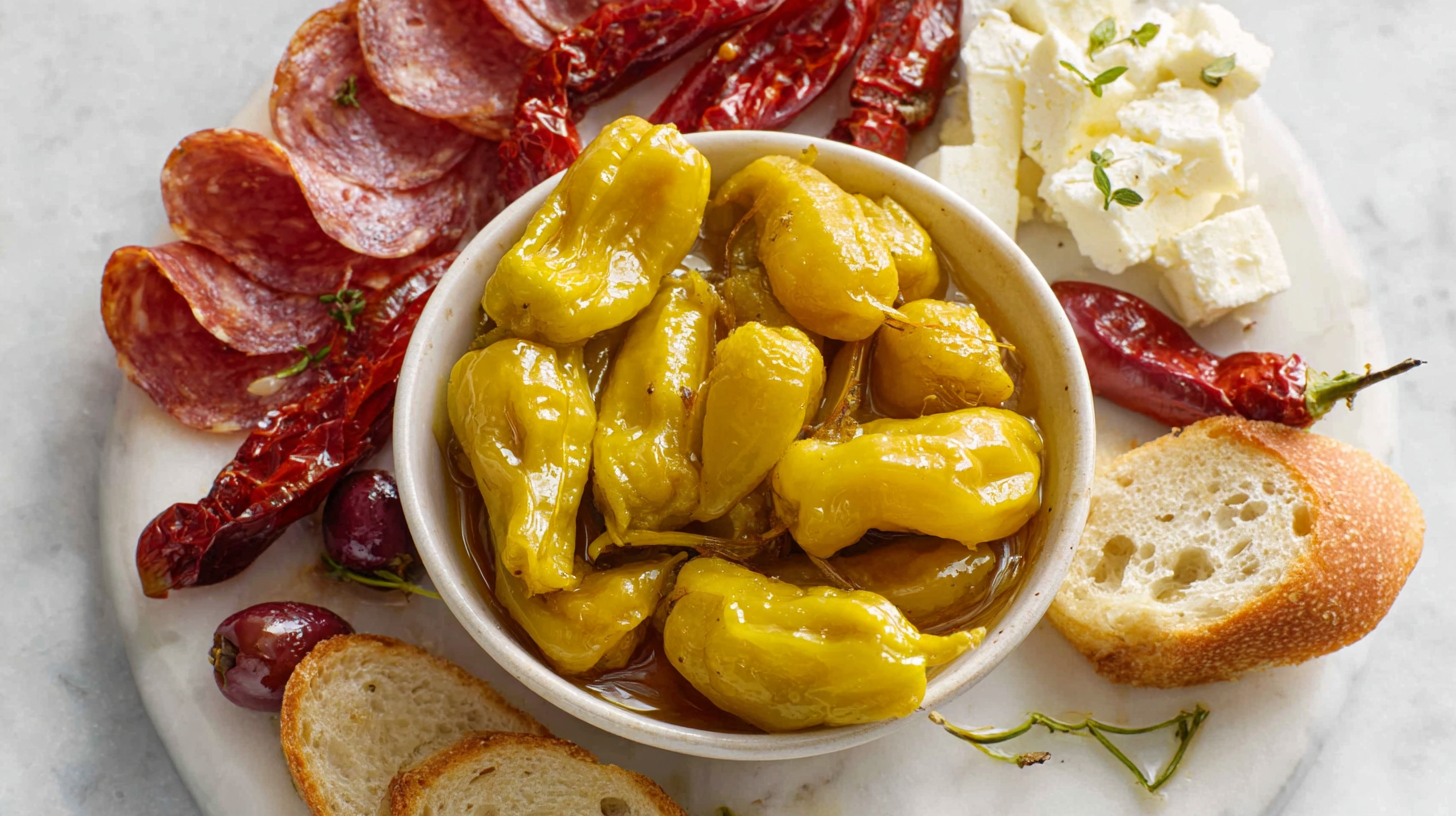
If you’ve ever bitten into a tangy, slightly spicy, crunchy green pepper that lit up your sandwich, pizza, or salad, you’ve likely tasted a Peppercini — also known as Pepperoncini, a mild chili pepper variety primarily pickled for its flavor punch.
Popular in Italian, Greek, and Mediterranean cuisines, peppercinis are more than just a condiment. They’re a culinary bridge between tradition and health, offering a low-calorie, vitamin-rich, and gut-friendly snack or topping. Their distinct balance of tang, spice, and umami makes them a staple in kitchens and restaurants worldwide.
Whether you’re prepping an antipasto platter, spicing up a grilled chicken wrap, or tossing them into a salad, peppercinis offer versatility and vibrance. But did you know they can also be homemade and customized to your taste and dietary needs?
This guide covers everything you need: from nutritional science and health benefits to a step-by-step recipe, pro cooking tips, and calorie-smart adaptations.
Table of Contents
Ingredient Table: What Goes into Homemade Peppercinis?
| Ingredient Item | Exact Quantity (metric + cups/tsp) | Calories (per listed quantity) |
|---|---|---|
| Fresh peppercinis | 500g (about 3 cups whole) | 100 kcal |
| White vinegar (5%) | 500ml (2 cups) | 0 kcal |
| Water | 250ml (1 cup) | 0 kcal |
| Sea salt | 2 tbsp (30g) | 0 kcal |
| Sugar (optional) | 1 tsp (5g) | 20 kcal |
| Garlic cloves (smashed) | 3 cloves (9g) | 13 kcal |
| Black peppercorns | 1 tsp (2g) | 5 kcal |
| Bay leaf | 1 large leaf | 1 kcal |
| Mustard seeds | 1 tsp (2g) | 12 kcal |
| Olive oil (optional) | 1 tbsp (15ml) | 120 kcal |
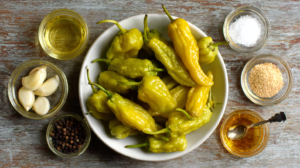
🔢 Total Caloric Content (per batch): 271 kcal
Nutritional Breakdown: The Science Behind the Crunch
Peppercinis may be small, but they pack a powerful nutritional punch. Here’s what makes them a great addition to your diet:
Vitamins and Minerals:
-
Vitamin C: Boosts immune function, promotes collagen production.
-
Vitamin A: Supports vision and skin health.
-
Calcium & Iron: Strengthen bones and support oxygen circulation.
Gut & Metabolic Health:
-
Vinegar and probiotics (when naturally fermented) help with digestion and microbiome balance.
-
Capsaicin (mild in peppercinis) can boost metabolism and reduce inflammation.
Low-Calorie, High-Flavor:
-
With less than 30 kcal per 100g, peppercinis are ideal for weight-conscious diets.
-
They provide flavor without fat, making them a superior alternative to heavy sauces or dips.
Step-by-Step Recipe: Pickled Peppercinis Like a Pro
Ingredients Recap:
Use the table above. You can customize spice and sweetness levels to your taste.
Equipment:
-
Mason jars (sterilized)
-
Saucepan
-
Tongs
-
Funnel (optional)
Instructions:
1. Prep the Peppers
-
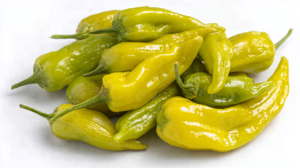
Rinse 500g of fresh peppercinis thoroughly.
-
Optional: Poke a small slit in each to allow better brine absorption.
2. Make the Brine
-
In a saucepan, combine 2 cups vinegar, 1 cup water, 2 tbsp salt, and 1 tsp sugar.
-
Add garlic, mustard seeds, peppercorns, and bay leaf.
-
Bring to a gentle boil, then simmer for 3–5 minutes to meld the flavors.
3. Pack the Jars
-
Place whole or sliced peppercinis into sterilized glass jars, packing tightly but not crushing.
-
Add aromatics from the brine (garlic, seeds) evenly.
4. Pour the Hot Brine
-
Using a funnel, carefully pour the hot brine over the peppers, covering them fully.
-
Optional: Add 1 tbsp olive oil for a silky finish.
5. Seal and Cool
-
Seal jars tightly.
-
Allow to cool to room temperature, then refrigerate.
-
Wait at least 48 hours before tasting — flavor develops over time!
Shelf Life:
-
In the fridge: 2–3 months
-
For canning (water bath method): up to 1 year
5 Smart Calorie Optimizations
Want a healthier, lighter version of peppercinis? Here’s how to do it:
1. Skip the Sugar
Remove the 1 tsp of sugar for a sugar-free brine. The flavor remains bold and punchy.
2. Use Apple Cider Vinegar
Substitute white vinegar with raw apple cider vinegar to boost probiotic content.
3. No Olive Oil
Skip the olive oil to eliminate 120 extra calories per batch.
4. Sliced Peppercinis = Portion Control
Slice peppers to make them go further in salads, sandwiches, and dressings.
5. Mix with Raw Veggies
Toss peppercinis with cucumbers or carrots to create a low-calorie crunchy snack bowl.
FAQ: Your Peppercini Questions, Answered
Q1. How long do homemade peppercinis last?
-
Refrigerated in brine: Up to 3 months.
-
Canned (sealed jars): Up to 1 year if sterilized and stored in a cool, dark place.
Q2. Can I use banana peppers instead?
Yes! Banana peppers are often mistaken for peppercinis. They’re slightly sweeter and make a great substitute.
Q3. Are peppercinis spicy?
They are mildly spicy, typically ranging from 100–500 Scoville units, suitable for most palates.
Q4. Can I make them keto or diabetic-friendly?
Absolutely! Just omit the sugar, and they become keto-approved and diabetic-safe.
Q5. How do I serve peppercinis creatively?
-
Slice and toss into Mediterranean salads
-
Use whole on antipasto boards
-
Add to Italian subs or gyros
-
Mix into hummus or Greek yogurt dips
-
Chop and use in pasta sauces for tang
Sensory Delight: What Peppercinis Taste Like
When you bite into a properly pickled peppercini, expect:
-
A bright tang from vinegar
-
A subtle heat that lingers but doesn’t burn
-
A crisp texture that crunches cleanly
-
Aromatic hints of garlic, mustard, and brine
They’re the perfect palate-waker — just spicy enough to excite, never overwhelm.
Final Thoughts: Why Every Kitchen Needs Peppercinis
Peppercinis are more than a pickle — they’re a flavor amplifier, gut-health booster, and a calorie-conscious condiment that fits into nearly every diet.
From Greek gyros to New York delis, from your summer grilling to winter soups, peppercinis bridge cuisines and seasons, adding personality to every plate.
So the next time you’re looking for zest without guilt, reach for these green gems — or better yet, make your own using this guide.